Jul 29, 2026Industry News
Common Mistakes When Buying Fasteners from Overseas Suppliers
Learn the common mistakes when buying fasteners from overseas suppliers and discover how to choose reliable manufacturers for quality, cost control, and long-term cooperation.
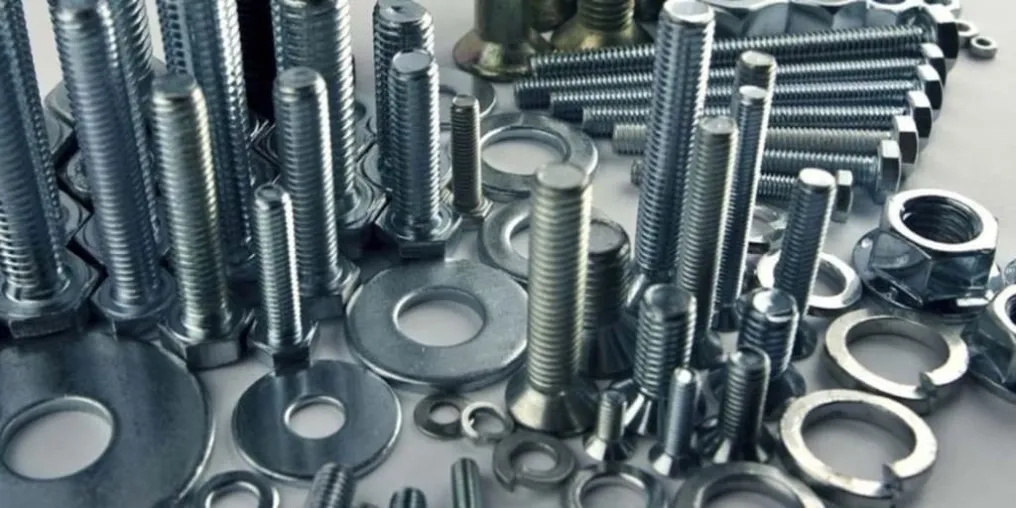
Buying fasteners from overseas suppliers can help companies reduce costs, expand product options, and build long-term supply chains. However, international fastener sourcing is not only about finding the lowest price. Many buyers experience problems such as inconsistent quality, delayed shipments, incorrect specifications, and unexpected costs because of poor supplier evaluation.
For importers and industrial buyers, understanding common mistakes before placing an order can help avoid costly problems and choose a reliable fastener supplier.
In this guide, we will discuss the most common mistakes when purchasing bolts, nuts, screws, washers, anchors, and other fastening products from overseas manufacturers.
1. Choosing a Supplier Based Only on Price
One of the biggest mistakes buyers make is focusing only on the cheapest quotation.
Fasteners may look similar, but differences in material quality, manufacturing process, heat treatment, and surface coating can significantly affect performance.
A supplier offering a very low price may use:
- Lower-grade raw materials
- Unstable production processes
- Poor surface treatment
- Inconsistent inspection standards
For industrial applications, low-quality fasteners can cause equipment failure, safety risks, and additional replacement costs.
What buyers should check:
- Material certificate (MTC)
- Production capability
- Quality control process
- Previous export experience
- Customer references
A reliable supplier should provide not only competitive pricing but also consistent quality and professional service.
2. Not Confirming Technical Specifications Clearly
Fasteners are highly standardized products, but small differences can cause major problems.
Many purchasing issues happen because buyers and suppliers misunderstand specifications.
Common missing details include:
- Standard requirements (DIN, ISO, ASTM, ANSI, etc.)
- Material grade
- Strength class
- Surface finish
- Thread type
- Dimensions and tolerances
For example, a buyer may request "hex bolts" without specifying whether they need DIN 931 partial thread bolts or DIN 933 full thread bolts.
Similarly, requesting zinc plated screws without confirming coating thickness may result in products that cannot meet corrosion resistance requirements.
Before ordering, always confirm:
✔ Product standard
✔ Size range
✔ Material grade
✔ Surface treatment
✔ Packaging requirements
✔ Inspection requirements
Clear technical communication helps prevent misunderstandings and unnecessary costs.
3. Ignoring Supplier Quality Control Capability
A professional fastener supplier should have a complete quality management system.
Some buyers only check product samples but ignore how the supplier controls mass production.
A sample may look perfect, but bulk production quality depends on:
- Incoming material inspection
- Production process control
- Thread inspection
- Dimensional inspection
- Surface treatment inspection
- Final random inspection
Before cooperation, buyers should ask suppliers:
- How do you control production quality?
- Do you inspect every batch?
- Can you provide inspection reports?
- Can you support third-party inspection?
For large-volume orders, quality consistency is more important than a single perfect sample.
4. Not Checking Surface Treatment Requirements
Surface coating is one of the most overlooked factors when buying fasteners.
Different applications require different levels of corrosion resistance.
Common surface finishes include:
- Zinc plated
- Hot dip galvanized
- Zinc nickel plated
- Black oxide
- Dacromet / Geomet coating
- Stainless steel finishes
For example, standard zinc plating may work for indoor applications but may not provide enough protection for outdoor or marine environments.
Buyers should confirm:
- Coating type
- Coating thickness
- Salt spray test requirements
- Applicable standards
Choosing the wrong surface treatment may lead to rust problems and product failure.
5. Failing to Consider Shipping and Import Costs
Many buyers calculate only the product price and ignore total landed costs.
International purchasing involves additional expenses such as:
- Ocean freight
- Customs duties
- Import taxes
- Inspection fees
- Local transportation costs
- Packaging requirements
A supplier with a slightly higher product price may actually offer a lower total cost because of better packing, shorter production time, or more efficient shipping solutions.
When comparing suppliers, buyers should evaluate the complete purchasing cost instead of only unit price.
6. Not Checking Supplier Export Experience
Manufacturing fasteners and exporting fasteners are two different capabilities.
A factory may produce good products but lack experience in international trade.
Experienced export suppliers usually understand:
- International standards
- Export documentation
- Packaging requirements
- Shipping procedures
- Communication expectations
Before cooperation, check whether the supplier has experience exporting to your market.
Questions to ask:
- Which countries do you export to?
- Can you provide export references?
- Have you supplied similar customers before?
7. Ordering Large Quantities Without Testing Samples
Placing a large order without sample approval is risky.
Even if drawings and specifications are provided, different suppliers may have different interpretations.
Sample testing allows buyers to confirm:
- Product appearance
- Dimensions
- Thread accuracy
- Material quality
- Surface treatment
- Packaging method
For new suppliers, a small trial order is usually a smart way to evaluate cooperation before increasing order quantities.
8. Poor Communication with Suppliers
Successful international sourcing depends heavily on communication.
Many problems happen because important details are not confirmed in writing.
Examples:
- Changes in specifications
- Updated drawings
- Packaging requirements
- Delivery schedule
- Inspection standards
A professional supplier should respond clearly and provide detailed information.
Good communication helps both sides build trust and avoid misunderstandings.
9. Choosing a Supplier Without Long-Term Cooperation Potential
Fastener sourcing is not only about one order.
A reliable supplier should be able to support your business growth through:
- Stable quality
- Competitive pricing
- Flexible customization
- Fast response
- Continuous improvement
Long-term cooperation allows suppliers to better understand your requirements and provide more efficient solutions.
How to Choose a Reliable Fastener Supplier?
Before working with an overseas fastener supplier, consider the following checklist:
✅ Does the supplier understand international standards?
✅ Can they provide material certificates and inspection reports?
✅ Do they have experience exporting globally?
✅ Can they support customized requirements?
✅ Do they have stable production capacity?
✅ Can they provide professional communication and after-sales support?
Choosing the right supplier can reduce risks and create a reliable supply chain.
Conclusion
Buying fasteners from overseas suppliers offers many advantages, including competitive pricing, wider product selection, and access to professional manufacturing capabilities. However, successful sourcing requires more than comparing prices.
By avoiding common mistakes such as unclear specifications, poor supplier evaluation, and ignoring quality control, buyers can find reliable partners and build long-term cooperation.
At Senotech Hardware, we provide a wide range of industrial fasteners, including bolts, nuts, washers, screws, and customized fastening solutions. With professional sourcing support and quality-focused manufacturing partners, we help global customers find reliable hardware solutions.