Bow Shackle vs Dee Shackle: Which One Should You Choose?
Compare bow and Dee shackles by load direction, connection space, pin type and WLL before specifying lifting or rigging hardware.
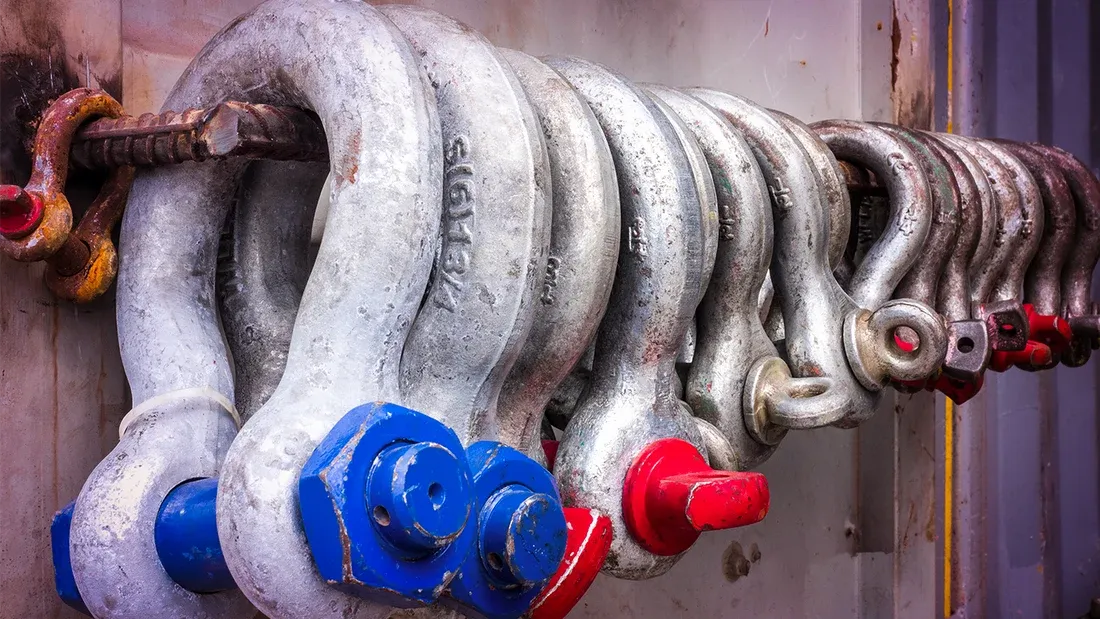
Choose a bow shackle when the connection needs more internal space or may involve more than one sling leg. Choose a Dee shackle for a straight, in-line connection with a single load path. In either case, the working load limit, pin type and loading direction must match the lift.
What is the practical difference?
Bow shackles
A bow shackle has a rounded body that provides more room around the crown. This makes it useful for multi-leg sling assemblies and connections where attached hardware needs additional movement. The wider shape does not mean it can be loaded at any angle without a capacity review.
Dee shackles
A Dee shackle has straighter sides and a narrower profile. It is commonly used for single-leg, in-line connections where the load remains centred. It is not normally the first choice when several sling eyes must sit in the bow.
Start with WLL—not body diameter
Specify the required working load limit before comparing dimensions. Two shackles with a similar body size may have different ratings because of material, heat treatment, design and manufacturing standard.
The WLL must cover the applied load under the approved configuration. It is not the same as breaking load. Our guide to working load limit and breaking load explains the distinction.
Which pin type should you order?
Screw pin
Screw-pin shackles are convenient for connections assembled and removed regularly. They should be checked before use and are not suitable where movement can rotate the pin loose unless an approved securing method is used.
Bolt, nut and cotter pin
This design is better suited to longer-term connections or applications where the pin must be secured against unintended rotation. It takes longer to install but provides a positive retaining arrangement.
Check the actual load direction
Shackles are generally strongest under centred, in-line loading. Side loading, multiple sling legs and a load concentrated at the crown can reduce allowable capacity. Ask for the manufacturer's reduction guidance instead of applying the full marked WLL to every configuration.
Confirm that the pin and bow fit the mating eye, hook or sling without crowding, point loading or forcing components together.
Material and finish depend on the environment
Carbon or alloy steel shackles are widely used for lifting and general rigging. Galvanized finishes improve corrosion protection, while stainless steel may be considered for specific marine or architectural environments. Material selection must still satisfy the required strength, standard and inspection regime.
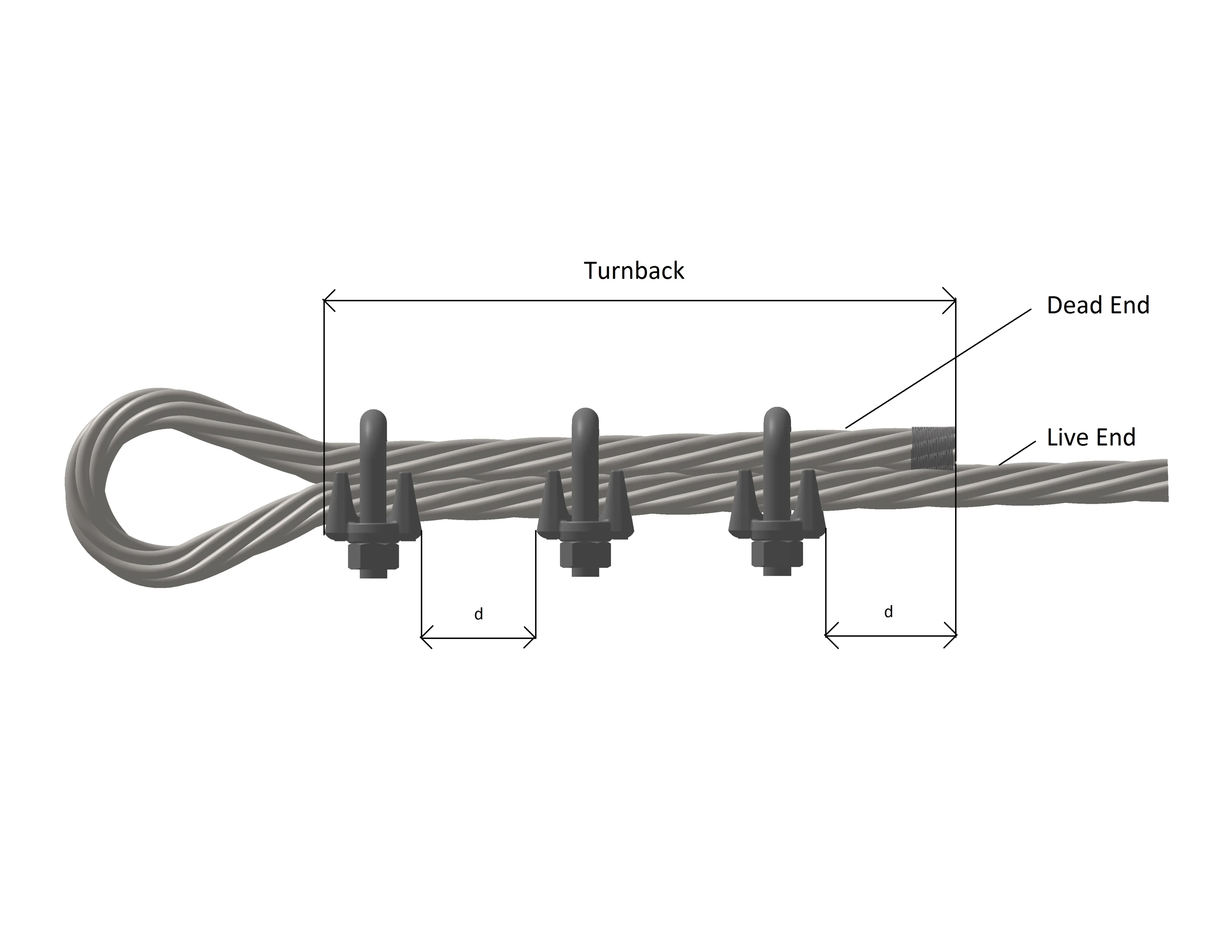
For assemblies using wire rope, review the connection together with the termination. See our wire rope clip selection and installation guide.
RFQ checklist for shackle enquiries
- Required WLL and estimated applied load
- Bow or Dee body preference
- Screw pin or bolt-type pin
- Load direction and number of connected sling legs
- Mating component dimensions
- Material, finish and service environment
- Required standard, markings and certificates
- Quantity, destination and delivery schedule
If the loading arrangement is unusual, include a drawing or photo with dimensions. This helps the supplier check fit and identify questions before quoting.
Request the right shackle for your application
Explore SENOTECH's industrial hardware range, or contact our team with the WLL, pin type, connection dimensions and required quantity. We can then discuss suitable specifications, samples and quotation requirements.