Jul 23, 2026Industry News
Working Load Limit vs Breaking Load: What Engineers Need to Know
Learn the difference between Working Load Limit (WLL) and Breaking Load in rigging hardware. This guide helps engineers choose safer lifting components and understand load ratings.

In lifting and rigging applications, safety is always the top priority. Components such as shackles, turnbuckles, hooks, and eye bolts are designed to handle heavy loads, but their performance depends on selecting the correct specifications.
Many buyers and engineers focus on the maximum strength of a product when evaluating lifting hardware. However, the maximum force a component can withstand before failure is not the same as the load it should carry during normal operation.
Two important terms are commonly used in lifting equipment:
- Working Load Limit (WLL)
- Breaking Load (BL) or Minimum Breaking Strength (MBS)
Understanding the difference between these two values helps engineers, contractors, and purchasing teams select safer and more reliable rigging components.
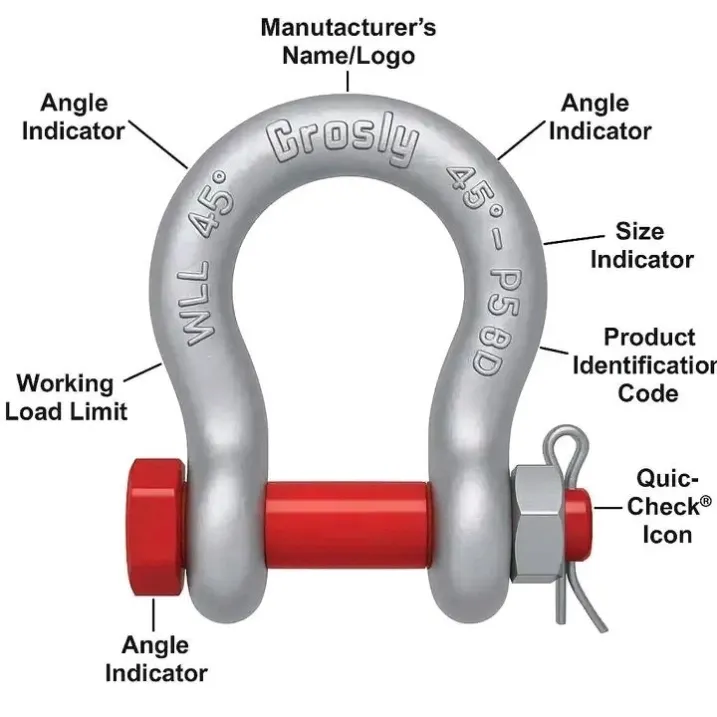
What Is Working Load Limit (WLL)?
Working Load Limit (WLL) refers to the maximum load that a lifting component is allowed to carry under normal working conditions.
It is the most important value for daily lifting operations because it represents the safe working capacity of the product.
For example:
A shackle may have:
- Breaking Load: 50 tons
- Safety Factor: 5:1
The Working Load Limit is calculated as:
50 tons ÷ 5 = 10 tons WLL
This means the shackle is designed to safely lift a maximum working load of 10 tons under normal operating conditions, even though the actual breaking point is much higher.
WLL considers real-world factors such as:
- Dynamic loading
- Repeated use
- Material fatigue
- Environmental conditions
- Safety requirements
For this reason, lifting operations should always be based on the WLL value rather than the breaking load.

What Is Breaking Load?
Breaking Load, also called Minimum Breaking Strength (MBS), refers to the maximum force that a lifting component can withstand before permanent deformation or failure occurs.
This value is usually determined through destructive testing during the product development or quality inspection process.
Breaking Load is mainly used for:
- Product testing
- Engineering evaluation
- Quality verification
However, Breaking Load is not the recommended working capacity of the product.
For example, a shackle with a Breaking Load of 50 tons should not be used to lift a 50-ton load. Operating equipment close to its breaking point creates significant safety risks and may lead to unexpected failure.
Key Differences Between WLL and Breaking Load
Understanding the difference between WLL and Breaking Load is critical for correct equipment selection.
Item | Working Load Limit (WLL) | Breaking Load (BL/MBS) |
|---|---|---|
Meaning | Maximum safe working capacity | Maximum load before failure |
Application | Daily lifting operations | Testing and evaluation |
Safety factor included | Yes | No |
Used by | Engineers and operators | Manufacturers and inspectors |
Purpose | Safe operation | Strength verification |
In simple terms:
WLL tells you what load the product can safely carry.
Breaking Load tells you the maximum force the product can withstand before failure.
Understanding Safety Factor in Rigging Hardware
The relationship between WLL and Breaking Load is determined by the safety factor.
The formula is:
Safety Factor = Breaking Load ÷ Working Load Limit
For example:
Breaking Load:
50 tons
Working Load Limit:
10 tons
Safety Factor:
50 ÷ 10 = 5:1
This means the product has a safety factor of 5 times its working load.
Different applications may require different safety factors depending on industry requirements and operating conditions.
Typical examples include:
Application | Common Safety Factor |
|---|---|
General lifting | 5:1 |
Heavy-duty industrial lifting | 5:1 or higher |
Personnel lifting | 10:1 or higher |
Marine and offshore applications | Higher requirements |
Selecting the correct safety factor helps reduce risks caused by unexpected loading conditions.
Why Engineers Should Never Select Hardware Based Only on Breaking Load
One common mistake when purchasing rigging hardware is choosing products only according to their maximum strength.
However, several factors can reduce the actual safe working capacity of lifting components.
Shock Loading
Sudden movement or impact during lifting can create forces much higher than the static load.
Wear and Fatigue
Repeated lifting cycles may gradually reduce the strength of components over time.
Corrosion
Rust and surface damage can affect the mechanical performance of lifting hardware, especially in outdoor or marine environments.
Incorrect Installation
Improper connection methods or incorrect lifting angles may create additional stress on the equipment.
Environmental Conditions
Temperature changes, chemicals, humidity, and harsh working environments may affect product performance.
Therefore, engineers should always consider the actual working conditions instead of selecting hardware only based on Breaking Load.
How to Select the Right Rigging Hardware Based on WLL
Choosing the correct lifting hardware requires evaluating the complete working environment.
Step 1: Determine the Actual Load
First, calculate the total weight that needs to be lifted.
For example:
Load weight:
8 tons
The selected lifting component should have a suitable WLL rating with enough safety margin.
Step 2: Consider Working Conditions
Engineers should evaluate:
- Lifting angle
- Frequency of use
- Shock loading possibility
- Environmental conditions
- Corrosion risk
These factors may influence the required load rating.
Step 3: Select Suitable WLL
The selected product should have a WLL higher than the actual working load when necessary.
Choosing the correct WLL ensures safer operation and reduces the risk of equipment failure.
Example: Choosing a Shackle for a 10 Ton Load
Assume an engineer needs a shackle for lifting a 10-ton load.
Incorrect Selection:
Breaking Load:
10 tons
Problem:
The product has no safety margin and may fail under real working conditions.
Correct Selection:
Working Load Limit:
10 tons
Breaking Load:
50 tons
Safety Factor:
5:1
This provides sufficient protection for normal lifting operations.
The example shows why engineers should always focus on WLL instead of only looking at the maximum strength value.
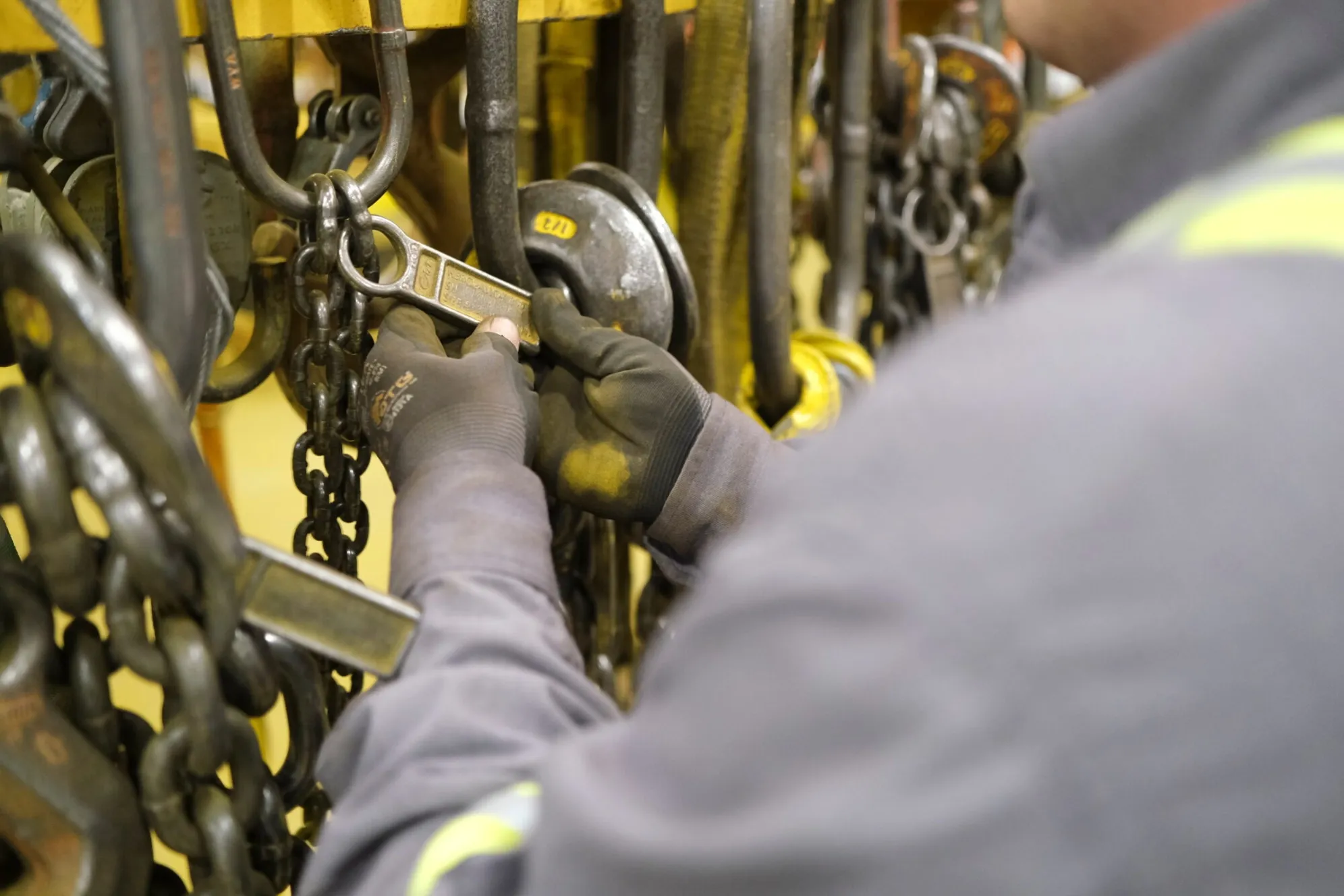
How Load Ratings Are Controlled During Manufacturing
Reliable rigging hardware requires strict manufacturing control to ensure consistent performance.
A professional manufacturer normally controls quality through several stages.
Material Selection
Common materials used for lifting hardware include:
- Carbon steel
- Alloy steel
- Stainless steel
The correct material selection ensures sufficient strength and durability.
Forging Process
Forging improves the structural integrity of lifting components by creating stronger grain flow compared with simple casting processes.
Proper forging helps achieve:
- Higher strength
- Better durability
- More consistent performance
Heat Treatment
Heat treatment is used to achieve the required mechanical properties, including:
- Hardness control
- Strength improvement
- Fatigue resistance
Inspection and Testing
Quality control procedures may include:
- Dimensional inspection
- Proof load testing
- Breaking load testing
- Surface inspection
These processes help ensure that products meet required specifications before shipment.
Standards Related to WLL and Breaking Load
Different industries follow different standards for lifting equipment.
Common standards include:
- EN 13889 – Forged steel shackles
- ASME B30.26 – Rigging hardware
- ASTM standards
- DIN standards
Compliance with recognized standards helps ensure product reliability, safety, and acceptance in international markets.
Checklist Before Purchasing Rigging Hardware
Before selecting a rigging hardware supplier, buyers should confirm:
✓ Clear WLL marking on products
✓ Material certificates are available
✓ Load test reports can be provided
✓ Product dimensions are consistent between batches
✓ Surface treatment is suitable for the application
✓ The supplier has stable production capability
Choosing the right supplier is as important as choosing the right product.
Conclusion
Understanding the difference between Working Load Limit and Breaking Load is essential for safe lifting operations.
Breaking Load represents the maximum strength of a component during testing, while Working Load Limit represents the safe capacity during normal use.
For engineers, contractors, and purchasing professionals, selecting rigging hardware based on WLL, safety factor, application conditions, and quality control is the key to ensuring safe and reliable lifting performance.
SENOTECH provides reliable rigging and lifting hardware solutions, including shackles, turnbuckles, wire rope clips, eye bolts, and other industrial lifting accessories. With controlled manufacturing processes and strict quality management, we help global customers source dependable hardware solutions for construction, marine, industrial, and engineering applications.