Jul 21, 2026Industry News
Complete Guide to Fasteners: Types, Materials and Applications
Learn everything about fasteners, including types, materials, coatings, standards and applications. A complete guide for choosing the right fastening solutions.
Introduction
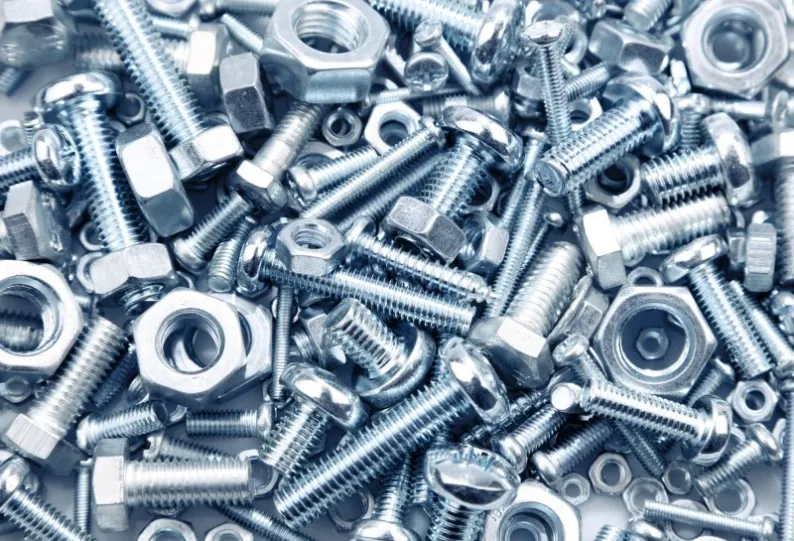
Fasteners are small components, but they play a critical role in almost every industry. From buildings and bridges to automobiles, machinery, solar systems and industrial equipment, fasteners are responsible for connecting different parts together and ensuring structural stability.
Although many fasteners look similar, choosing the right product requires careful consideration of material, strength grade, surface treatment, application environment and installation requirements.
A wrong choice of fastener may lead to corrosion, loosening, thread damage or even structural failure. Therefore, understanding different types of fasteners and their applications is essential for engineers, contractors and purchasing professionals.
This guide explains the common types of fasteners, available materials, surface treatments, industry applications and key factors to consider when selecting a reliable fastening solution.
1. What Are Fasteners?
Fasteners are mechanical components used to permanently or temporarily join two or more parts together. Unlike welding or adhesive bonding, most fasteners allow easy installation, maintenance and replacement.
Common fasteners include:
- Bolts
- Nuts
- Screws
- Washers
- Anchors
- Studs
- Customized fastening components
Fasteners are widely used in:
- Construction
- Automotive manufacturing
- Machinery production
- Solar mounting systems
- Electrical equipment
- Marine applications
- Industrial manufacturing
Although fasteners are often small in size, their performance directly affects the safety and durability of the final product.
2. Main Types of Fasteners
2.1 Bolts
Bolts are one of the most commonly used fastening products. They are generally used together with nuts to create a strong mechanical connection.
Common types include:
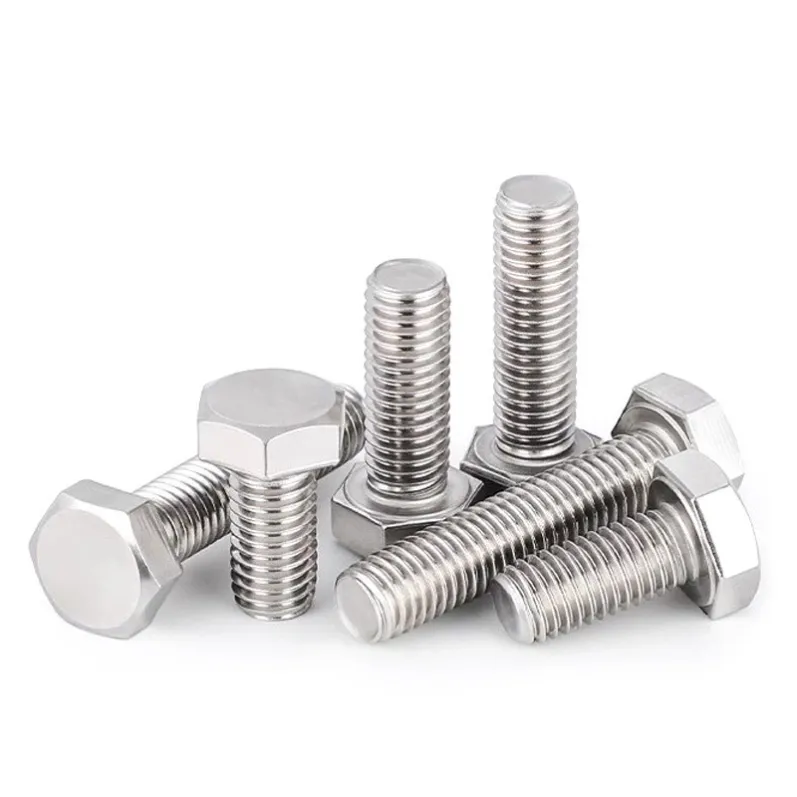
Hex Bolts
Hex bolts are widely used in construction, machinery and structural applications. Their hexagonal head allows easy tightening with standard tools.
Flange Bolts
Flange bolts have an integrated flange under the head, which helps distribute load and reduces the need for additional washers.
They are commonly used in:
- Automotive components
- Machinery
- Equipment assembly
Carriage Bolts
Carriage bolts feature a round head and square neck design, preventing rotation during installation.
They are often used for:
- Wooden structures
- Furniture
- Outdoor construction
Anchor Bolts
Anchor bolts are designed to secure structures to concrete foundations.
Common types include:
- L-shaped anchor bolts
- J-shaped anchor bolts
- Expansion anchors
- Chemical anchors
They are widely used in:
- Steel structures
- Building foundations
- Infrastructure projects
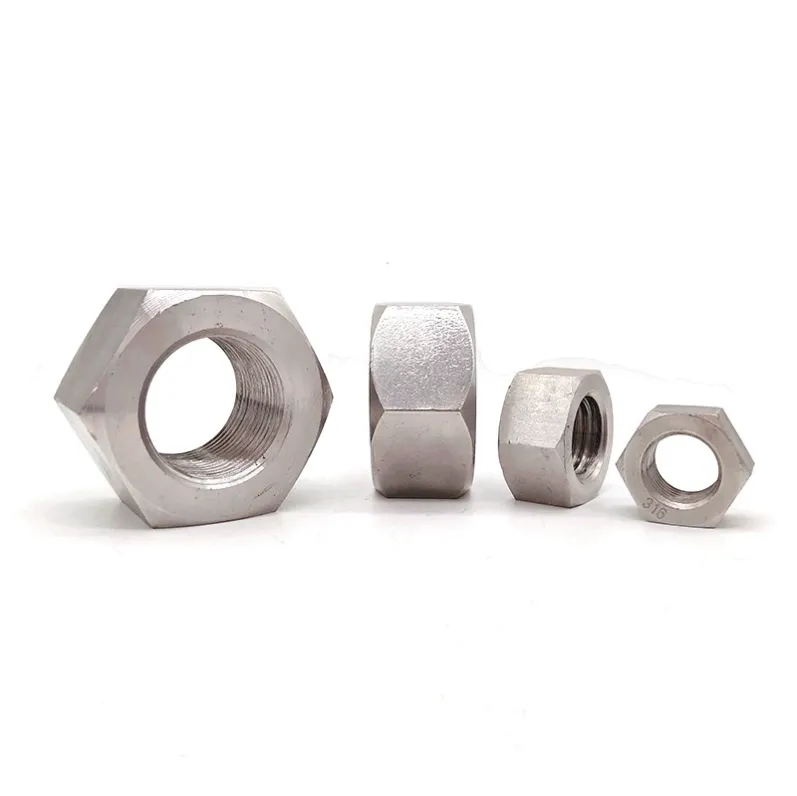
2.2 Nuts
Nuts are internally threaded fasteners designed to work together with bolts or threaded rods.
Common types include:
Hex Nuts
The most standard nut type used in general fastening applications.
Lock Nuts
Lock nuts help prevent loosening caused by vibration.
Examples include:
- Nylon insert lock nuts (Nylock nuts)
- All-metal lock nuts
Flange Nuts
Flange nuts have a built-in washer-like base, providing better load distribution and improved fastening stability.
Common applications:
- Automotive
- Machinery
- Industrial equipment
Weld Nuts
Weld nuts are designed to be permanently attached to metal surfaces through welding.
They are often used in:
- Automotive manufacturing
- Sheet metal applications
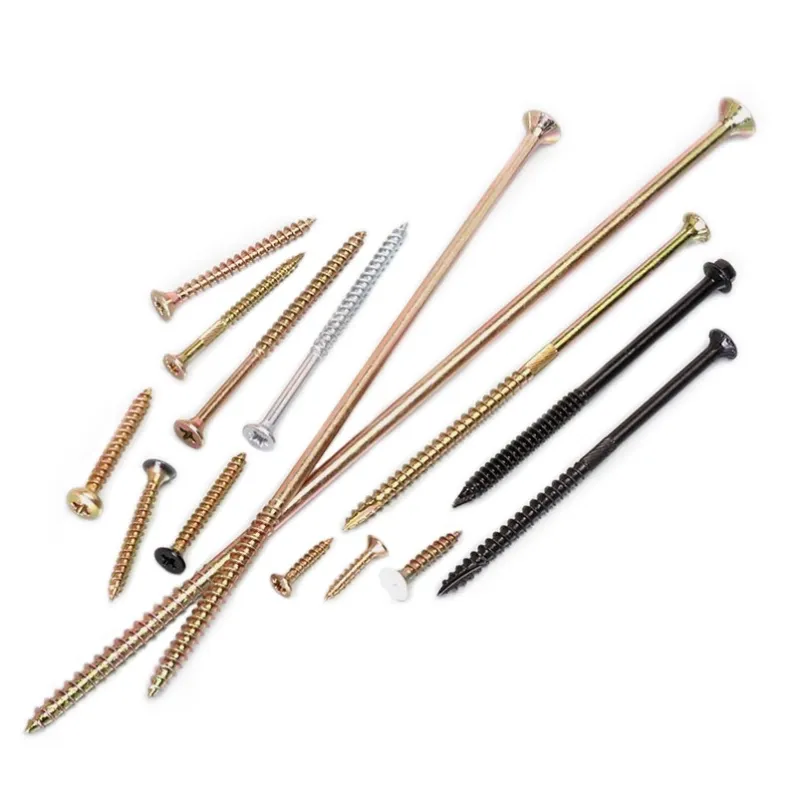
2.3 Screws
Screws are threaded fasteners commonly installed directly into materials or threaded holes.
Common types include:
Self-Tapping Screws
Self-tapping screws create their own threads during installation and are widely used in metal and plastic applications.
Machine Screws
Machine screws are usually used with threaded holes or nuts.
Wood Screws
Designed specifically for wooden materials.
The correct screw selection depends on:
- Material thickness
- Installation method
- Required holding strength
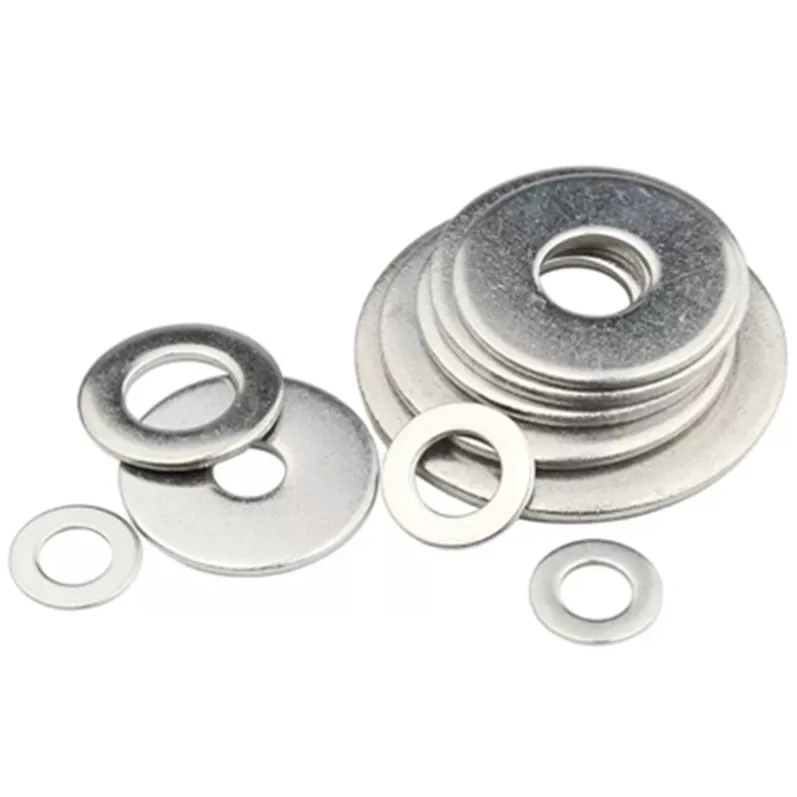
2.4 Washers
Washers are usually installed between fasteners and connected parts.
Their main functions include:
- Distributing load
- Protecting surfaces
- Preventing loosening
- Improving connection stability
Common washer types:
Flat Washers
Used to spread the load of a bolt or nut.
Spring Washers
Designed to provide additional resistance against loosening.
Lock Washers
Used in applications requiring improved vibration resistance.
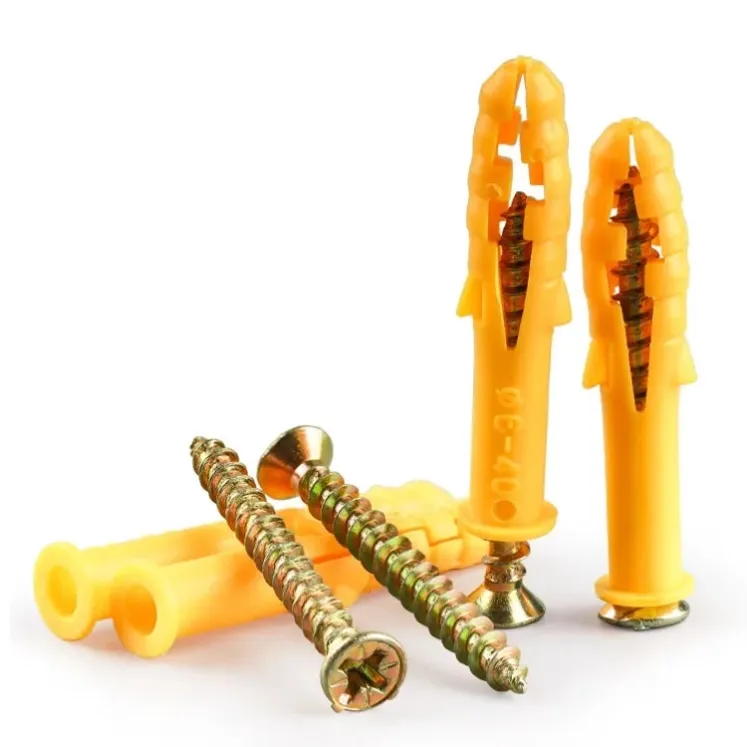
2.5 Anchors
Anchors are fastening products designed for fixing objects to concrete, brick or other base materials.
Common anchor types include:
- Sleeve anchors
- Expansion anchors
- Wedge anchors
- Chemical anchors
Anchors are commonly used for:
- Construction installation
- Handrail systems
- Equipment fixing
- Building decoration
3. Common Fastener Materials
Selecting the right material is one of the most important decisions when purchasing fasteners.
Different environments require different material properties.
3.1 Carbon Steel Fasteners
Carbon steel is one of the most widely used materials because of its excellent balance between strength and cost.
Advantages:
- High mechanical strength
- Good machinability
- Competitive price
Common applications:
- Construction
- Machinery
- General industrial assembly
However, carbon steel requires proper surface treatment when used in outdoor or corrosive environments.
3.2 Stainless Steel Fasteners
Stainless steel fasteners are preferred when corrosion resistance is required.
Common grades include:
Stainless Steel 304
Suitable for general outdoor and industrial applications.
Stainless Steel 316
Provides better corrosion resistance and is commonly used in:
- Marine environments
- Coastal projects
- Chemical industries
Advantages:
- Excellent corrosion resistance
- Clean appearance
- Long service life
3.3 Alloy Steel Fasteners
Alloy steel fasteners are designed for high-strength applications.
They are commonly used where heavy loads and demanding mechanical performance are required.
Applications include:
- Automotive
- Heavy machinery
- Engineering equipment
Common grades:
- Grade 8.8
- Grade 10.9
- Grade 12.9
4. Fastener Surface Treatments and Coatings
Surface treatment significantly affects fastener performance, especially corrosion resistance.
Zinc Plating
Electro zinc plating is one of the most common surface treatments.
Advantages:
- Good corrosion resistance
- Attractive appearance
- Cost-effective
Suitable for:
- Indoor applications
- General machinery
Hot Dip Galvanizing
Hot dip galvanizing provides a thicker zinc coating compared with electro plating.
Advantages:
- Strong corrosion protection
- Suitable for outdoor environments
Applications:
- Steel structures
- Solar mounting systems
- Infrastructure projects
Zinc Nickel Coating
Zinc nickel coating is becoming increasingly popular in demanding applications.
Advantages:
- Excellent corrosion resistance
- High-temperature performance
- Long salt spray test results
Common applications:
- Automotive components
- Industrial equipment
- Precision fasteners
Other Coatings
Other surface treatments include:
- Black oxide
- Dacromet
- Geomet coating
The correct coating depends on:
- Environment
- Required service life
- Industry standards
5. Fastener Standards and Strength Grades
International standards ensure fasteners meet specific dimensions and performance requirements.
Common standards include:
- DIN (Germany)
- ISO (International Organization for Standardization)
- ASTM (USA)
- ANSI
- JIS
Strength grades determine the mechanical performance of fasteners.
Examples:
Carbon steel bolts:
- Grade 8.8
- Grade 10.9
- Grade 12.9
Stainless steel fasteners:
- A2-70
- A4-80
Higher grades usually provide higher tensile strength but may require stricter production control and heat treatment.
6. How to Choose the Right Fastener?
Choosing fasteners only based on price can create problems later. A suitable fastener should match the application requirements.
Consider the Working Environment
Important factors include:
- Indoor or outdoor installation
- Exposure to moisture
- Chemical environment
- Temperature conditions
For example, stainless steel or special coatings may be necessary for coastal projects.
Consider Load Requirements
Engineers should evaluate:
- Tensile strength
- Shear strength
- Vibration conditions
- Safety requirements
Heavy-duty applications require higher strength fasteners.
Consider Material Compatibility
Different materials may create corrosion problems when combined.
For example:
- Stainless steel with aluminum
- Carbon steel in humid environments
Proper material selection helps extend service life.
7. Fastener Applications by Industry
Construction Industry
Construction is one of the largest users of fasteners.
Common products:
- Anchor bolts
- Structural bolts
- Nuts and washers
Applications:
- Buildings
- Bridges
- Steel structures
Automotive Industry
Automotive manufacturers require fasteners with:
- High precision
- Stable quality
- Reliable performance
Common products:
- Flange nuts
- Special screws
- Precision fasteners
Solar Industry
Solar systems require fasteners that can withstand outdoor exposure for many years.
Common products:
- Stainless steel bolts
- Mounting screws
- Solar brackets
Machinery Manufacturing
Industrial machinery requires fasteners with excellent mechanical performance.
Applications:
- Equipment assembly
- Machine components
- Production lines
Marine Industry
Marine environments require excellent corrosion resistance.
Common materials:
- Stainless steel 316
- Special coated carbon steel
8. Common Fastener Problems and Solutions
Corrosion
Causes:
- Incorrect material selection
- Insufficient coating protection
Solutions:
- Select suitable materials
- Use proper surface treatments
Bolt Breakage
Possible reasons:
- Incorrect strength grade
- Poor heat treatment
- Excessive loading
Solutions:
- Verify material certificates
- Control production processes
Thread Problems
Causes:
- Manufacturing errors
- Incorrect tolerances
Solutions:
- Thread inspection
- Quality control during production
9. Custom Fasteners for Special Applications
Standard fasteners cannot always meet every customer's requirements.
Many industries require customized solutions, including:
- Special dimensions
- Customized materials
- Unique coatings
- Logo marking
- Special packaging
Manufacturing processes may include:
- Cold forging
- Hot forging
- CNC machining
- Stamping
Working with an experienced supplier helps customers develop reliable customized fastening solutions.
10. How to Select a Reliable Fastener Supplier?
A qualified supplier should provide more than competitive prices.
Important evaluation factors include:
Manufacturing Capability
Can the supplier produce standard and customized fasteners?
Quality Control
A reliable supplier should have:
- Incoming material inspection
- Production inspection
- Dimensional inspection
- Final inspection before shipment
Traceability
Material certificates and production records help ensure consistent quality.
Export Experience
International customers usually require:
- Stable communication
- Proper documentation
- Reliable delivery schedules
Conclusion
Fasteners may be small components, but they have a major impact on product safety, performance and service life.
Choosing the right fastener requires understanding different types, materials, coatings and application requirements.
Whether for construction, machinery, automotive, solar or industrial projects, working with an experienced fastener supplier can help ensure consistent quality and long-term reliability.
At SENOTECH Hardware, we provide a wide range of fastening solutions, including bolts, nuts, washers, screws, anchors and customized hardware components. With reliable manufacturing partners and strict quality control, we help global customers find suitable fastening solutions for different applications.