Aug 5, 2026Industry News
How to Choose the Right Fastener Material: Carbon Steel vs Stainless Steel vs Alloy Steel
Compare carbon steel, stainless steel and alloy steel fasteners to choose the right material for strength, corrosion resistance and cost.
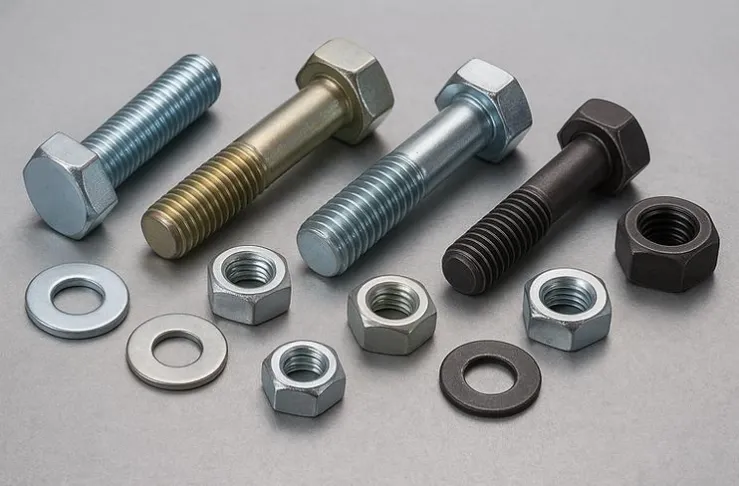
Choosing the correct fastener is not only about selecting the right diameter, thread or length. The material of the fastener directly affects its strength, corrosion resistance, service life, installation safety and total project cost.
Carbon steel, stainless steel and alloy steel are the three most widely used fastener materials. However, each material performs differently under load, moisture, chemicals, temperature changes and outdoor exposure.
Using the wrong material may result in premature corrosion, bolt breakage, thread damage, joint loosening or unnecessary purchasing costs. Understanding the differences between carbon steel fasteners, stainless steel fasteners and alloy steel fasteners is therefore essential for selecting a reliable fastening solution.
This guide explains the characteristics, advantages, limitations and typical applications of common fastener materials, helping engineers and buyers understand how to choose fastener material for different projects.
Common Materials Used for Fasteners
Fasteners can be manufactured from many metallic materials. The most common options include:
- Carbon steel
- Stainless steel
- Alloy steel
- Brass
- Aluminum
Among these materials, carbon steel, stainless steel and alloy steel account for a large percentage of industrial fastener applications.
The best material for fasteners depends on the operating environment, mechanical load, corrosion risk, installation conditions and budget. No single material is suitable for every application.
Carbon Steel Fasteners
Carbon steel is one of the most commonly used fastener materials because it offers a practical balance between mechanical strength, availability and cost.
Carbon steel fasteners are widely used in construction, furniture, machinery, automotive components, general manufacturing and indoor assembly applications.
Advantages of Carbon Steel Fasteners
The main advantages of carbon steel include:
- Competitive material cost
- Good mechanical strength
- Wide availability
- Easy machining and forming
- Suitable for many surface treatments
- Broad range of standard dimensions and grades
Carbon steel fasteners can be zinc plated, hot-dip galvanized, black oxidized, phosphate coated or mechanically galvanized to improve their corrosion resistance.
Limitations of Carbon Steel Fasteners
The main weakness of carbon steel is its relatively low natural corrosion resistance.
Without a protective coating, carbon steel may rust when exposed to moisture, rain, salt or corrosive chemicals. Even coated carbon steel fasteners may eventually corrode if the coating is damaged during transportation or installation.
Carbon steel may therefore be unsuitable for continuously wet, coastal, marine or chemically aggressive environments unless a suitable coating system is selected.
Common Strength Grades
Metric carbon steel and heat-treated steel fasteners are commonly supplied in property classes such as:
- 4.6
- 4.8
- 5.8
- 6.8
- 8.8
- 10.9
- 12.9
Lower and medium strength classes, such as 4.8 and 8.8, may be manufactured from carbon steel or medium-carbon steel, depending on the product and production process.
Higher-strength classes such as 10.9 and 12.9 normally require heat treatment and are commonly manufactured from alloy steel, boron steel or specially selected medium-carbon steel. Buyers should not assume that all strength classes are produced from the same material.
Typical Applications
Carbon steel fasteners are commonly used in:
- General machinery
- Building construction
- Furniture assembly
- Automotive components
- Electrical equipment
- Indoor steel structures
- Agricultural machinery
- General industrial products
Carbon steel is commonly used for standard and high-strength fastening products such as DIN 931 hex bolts, which are available in different property classes and surface finishes for machinery, construction and automotive applications.
For indoor or moderately exposed applications, zinc-plated carbon steel fasteners often provide an economical solution.
For outdoor construction, hot-dip galvanized fasteners may offer better protection because the zinc coating is generally thicker than standard electroplated zinc.
Stainless Steel Fasteners
Stainless steel fasteners are selected primarily for their corrosion resistance, clean appearance and long service life.
Unlike coated carbon steel, stainless steel does not rely entirely on an external protective coating. Chromium in the material forms a thin passive oxide layer on the surface, helping protect the fastener against corrosion.
The two most common stainless steel grades used for general fasteners are 304 and 316.
304 Stainless Steel Fasteners
Type 304 stainless steel, commonly identified as A2 stainless steel in many fastener standards, provides good corrosion resistance in normal atmospheric and indoor environments.
It is widely used in:
- Food-processing equipment
- Kitchen equipment
- Architectural hardware
- Indoor and outdoor furniture
- General construction
- Electrical equipment
- Light industrial applications
304 stainless steel is a popular choice when better corrosion resistance than zinc-plated carbon steel is required, but the fastener will not be continuously exposed to seawater, chloride-rich environments or aggressive chemicals.
316 Stainless Steel Fasteners
Type 316 stainless steel, often identified as A4 stainless steel, contains molybdenum, which improves resistance to pitting and crevice corrosion in chloride-containing environments.
316 stainless steel fasteners are commonly recommended for:
- Coastal construction
- Marine hardware
- Swimming pool areas
- Chemical-processing equipment
- Pharmaceutical equipment
- Food-processing facilities
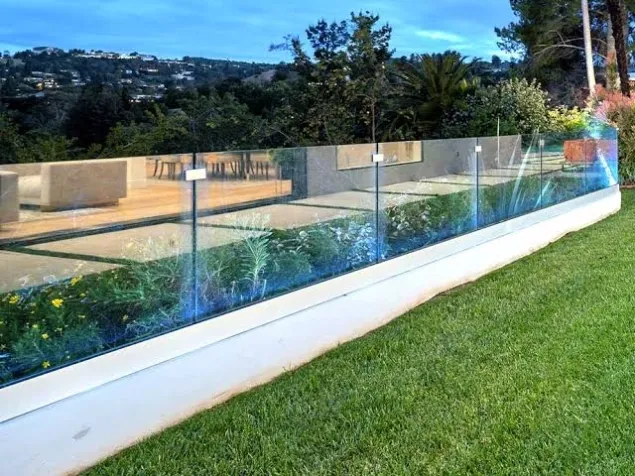
- Outdoor glass and balustrade systems
- Wastewater treatment equipment
For piping, marine, solar mounting and outdoor structural applications, stainless steel U bolts may provide better long-term corrosion resistance than zinc-plated carbon steel alternatives.
When comparing 304 and 316, 316 generally offers better corrosion resistance but has a higher material cost.
However, even 316 stainless steel is not completely immune to corrosion. Surface contamination, poor drainage, crevices, high chloride concentrations and incorrect maintenance can still cause staining or localized corrosion.
Advantages of Stainless Steel Fasteners
Stainless steel fasteners provide several advantages:
- Good natural corrosion resistance
- Attractive surface appearance
- No zinc coating required
- Suitable for hygienic environments
- Long service life in suitable conditions
- Good resistance to weathering
- Low maintenance requirements
Limitations of Stainless Steel Fasteners
Potential limitations include:
- Higher cost than standard carbon steel
- Lower strength than some heat-treated alloy steel fasteners
- Risk of thread galling during installation
- Possible chloride corrosion in severe environments
- Potential galvanic corrosion when used with incompatible metals
Stainless steel threads may seize or gall, especially during high-speed installation. Proper lubrication, controlled installation speed and suitable nut-and-bolt combinations can help reduce this risk.
Stainless Steel Strength Designations
Stainless steel fasteners are often identified using property classes such as:
- A2-50
- A2-70
- A2-80
- A4-70
- A4-80
These designations should not be directly compared with carbon steel property classes solely by their numbers. For example, A4-80 and class 8.8 do not have identical mechanical properties or corrosion performance.
Alloy Steel Fasteners
Alloy steel contains additional alloying elements that improve properties such as strength, hardness, toughness, wear resistance and heat resistance.
Depending on the required performance, alloy steel may contain chromium, molybdenum, nickel, vanadium, manganese or boron.
Alloy steel fasteners are commonly used when the joint must withstand high tensile loads, vibration, impact or demanding operating conditions.
High-Strength Performance
One of the main advantages of alloy steel is its ability to achieve high mechanical strength after heat treatment.
High-strength alloy steel bolts are commonly supplied in metric property classes such as:
- 10.9
- 12.9
Common inch-series grades include ASTM and SAE high-strength fasteners for structural, automotive and industrial applications.
These bolts may provide significantly higher tensile and yield strength than general-purpose carbon steel or standard stainless steel fasteners.
Heat Treatment
Alloy steel fasteners commonly undergo quenching and tempering to achieve the required combination of:
- Tensile strength
- Yield strength
- Hardness
- Toughness
- Fatigue resistance
Heat-treatment control is extremely important. Incorrect temperature, insufficient tempering, excessive hardness or poor process control may increase the risk of brittleness, cracking or premature failure.
High-strength fasteners may also require careful control during electroplating because excessive hydrogen absorption can create a risk of hydrogen embrittlement.
Typical Applications
Alloy steel fasteners are widely used in:
- Heavy machinery
- Automotive assemblies
- Mining equipment
- Bridges and structural connections
- Industrial equipment
- Lifting systems
- Power-generation equipment
- Gearboxes and transmission systems
- High-load mechanical joints
Alloy steel is usually selected for mechanical performance rather than natural corrosion resistance. Many alloy steel fasteners therefore require black oxide, zinc plating, zinc flake coating, phosphate coating or another protective finish.
Fastener Material Comparison Table
Material | Strength | Corrosion Resistance | Relative Cost | Typical Applications |
|---|---|---|---|---|
Carbon Steel | Low to high, depending on grade and heat treatment | Low without coating; moderate with suitable coating | Low | General machinery, construction, furniture, indoor equipment |
304 Stainless Steel | Moderate | Good in normal atmospheric environments | Medium to high | Food equipment, architecture, outdoor furniture, general construction |
316 Stainless Steel | Moderate | Very good in coastal and chloride-containing environments | High | Marine hardware, coastal construction, chemical and food-processing equipment |
Alloy Steel | High to very high | Generally low without a protective finish | Medium | Heavy machinery, automotive systems, structural connections, high-load equipment |
Brass | Low to moderate | Good in many indoor and mildly corrosive environments | High | Electrical components, decorative fittings, plumbing products |
Aluminum | Low to moderate | Good atmospheric corrosion resistance | Medium | Lightweight assemblies, transportation equipment, electronics |
The table provides a general comparison only. Actual performance depends on the precise material grade, heat treatment, coating, fastener design and operating environment.
Brass and Aluminum Fasteners
Although carbon steel, stainless steel and alloy steel are the main industrial options, brass and aluminum fasteners are also used in specialized applications.
Brass Fasteners
Brass fasteners provide good electrical conductivity, corrosion resistance and decorative appearance. They are commonly used in:
- Electrical terminals
- Plumbing products
- Decorative hardware
- Instruments
- Marine-related components
However, brass is normally softer and weaker than carbon or alloy steel. It is not usually selected for high-load structural connections.
Aluminum Fasteners
Aluminum fasteners are lightweight and naturally resistant to atmospheric corrosion. They may be used in:
- Aerospace assemblies
- Transportation equipment
- Electronics
- Lightweight structures
- Aluminum frames and panels
Their mechanical strength is generally lower than that of steel fasteners. Galvanic compatibility must also be considered when aluminum fasteners are installed against stainless steel, copper or carbon steel components.
Carbon Steel vs Stainless Steel Fasteners
The choice between carbon steel vs stainless steel fasteners usually depends on whether strength, corrosion resistance or cost is the main priority.
Choose carbon steel when:
- Cost control is important
- The application is indoors or protected
- High mechanical strength is required
- A suitable coating can provide sufficient protection
- Standard fasteners are required in large quantities
Choose stainless steel when:
- The fastener will be exposed to moisture
- Long-term corrosion resistance is important
- The project is located near the coast
- A clean or hygienic surface is required
- Maintenance and replacement are difficult
- Coating damage would create a serious corrosion risk
A zinc-plated carbon steel bolt may initially cost less than a stainless steel bolt. However, stainless steel may provide a lower total lifecycle cost in corrosive environments because it can reduce maintenance and replacement requirements.
Alloy Steel Bolts vs Stainless Steel Bolts
The comparison between alloy steel bolts vs stainless steel bolts is primarily a comparison between mechanical strength and corrosion resistance.
Alloy steel bolts are generally preferred when:
- Very high tensile strength is required
- The joint carries heavy or dynamic loads
- Fatigue resistance is important
- The bolt is used in machinery, vehicles or structural equipment
- A protective coating can be applied and maintained
Stainless steel bolts are generally preferred when:
- Corrosion resistance is the primary concern
- The application is exposed to water, humidity or chemicals
- The fastener is used in food, pharmaceutical or architectural equipment
- Long-term appearance is important
- Moderate strength is sufficient
Using stainless steel does not automatically mean the joint is stronger. Similarly, using a high-strength alloy steel bolt does not mean the fastener will resist corrosion.
The correct choice must reflect the actual service conditions.
How to Choose the Right Fastener Material
When determining how to choose fastener material, consider the following factors.
1. Operating Environment
Identify whether the fastener will be used:
- Indoors
- Outdoors
- Underground
- Near the coast
- Underwater
- In a chemical-processing facility
- In a high-humidity environment
- In contact with salt, cleaning agents or industrial chemicals
For dry indoor applications, coated carbon steel may be sufficient.
For coastal or chloride-rich environments, 316 stainless steel may provide better durability.
For severe chemical exposure, a more specialized stainless steel, duplex stainless steel, nickel alloy or non-metallic fastener may be required.
2. Strength Requirements
Determine the expected:
- Tensile load
- Shear load
- Clamp load
- Vibration level
- Impact load
- Fatigue cycle
- Safety factor
Do not select fasteners based only on diameter. Material grade and property class have a major influence on load capacity.
General stainless steel bolts may not be suitable replacements for class 10.9 or 12.9 alloy steel bolts without engineering verification.
3. Temperature Conditions
Temperature can affect fastener strength, oxidation resistance and dimensional stability.
Carbon steel and alloy steel fasteners may lose strength at elevated temperatures, depending on the material and heat treatment.
Standard stainless steel may provide better oxidation resistance at certain temperatures, but its mechanical properties must still be evaluated.
Extremely high or low temperatures may require special alloy fasteners.
4. Corrosion Risk
Consider both atmospheric corrosion and contact corrosion.
A fastener may corrode because of:
- Rain or condensation
- Salt spray
- Industrial chemicals
- Acidic or alkaline conditions
- Damaged protective coatings
- Contact with dissimilar metals
- Crevices that retain moisture
The corrosion resistance of the complete assembly is more important than the corrosion resistance of the fastener alone.
5. Compatibility with Connected Materials
When different metals are connected in the presence of moisture, galvanic corrosion may occur.
For example, stainless steel fasteners used directly with aluminum components can accelerate corrosion of the aluminum under certain conditions.
Risk can be reduced by:
- Selecting compatible materials
- Using insulating washers or sleeves
- Applying protective coatings
- Preventing water accumulation
- Sealing the joint
- Consulting a corrosion specialist for critical applications
6. Surface Finish
The base material and surface finish should be evaluated together.
Common finishes include:
- Zinc plating
- Hot-dip galvanizing
- Zinc-nickel plating
- Zinc flake coating
- Mechanical galvanizing
- Black oxide
- Phosphate coating
- Passivation
A high-performance coating can improve the corrosion resistance of carbon or alloy steel, but coating thickness may affect thread fit and installation.
The selected coating must also be compatible with the required corrosion test, service environment and assembly method.
7. Project Budget
The lowest unit price does not always produce the lowest total cost.
Consider:
- Initial purchase price
- Installation cost
- Inspection requirements
- Maintenance frequency
- Replacement cost
- Equipment downtime
- Safety risk
- Expected service life
Stainless steel may be more economical over the complete service life of an outdoor project, while coated carbon steel may remain the better choice for protected indoor equipment.
Common Mistakes When Selecting Fastener Materials
Focusing Only on Price
Selecting the cheapest fastener without considering the operating environment can lead to early corrosion, failure and expensive replacement work.
Material cost should be evaluated together with service life and maintenance requirements.
Ignoring the Corrosion Environment
A fastener that performs well indoors may fail rapidly near the sea or inside a chemical plant.
Buyers should provide suppliers with clear information about humidity, salt exposure, chemicals, temperature and expected service life.
Assuming Higher Strength Is Always Better
A higher-strength bolt is not automatically the best option.
Extremely high-strength fasteners may be more sensitive to:
- Hydrogen embrittlement
- Improper tightening
- Surface defects
- Fatigue cracking
- Incorrect heat treatment
The fastener should have sufficient strength for the application without introducing unnecessary cost or risk.
Assuming Stainless Steel Cannot Corrode
Stainless steel is corrosion-resistant, not corrosion-proof.
Incorrect grade selection, chloride exposure, surface contamination and poor joint design can still cause corrosion.
Ignoring Galvanic Corrosion
Combining dissimilar metals without considering electrical and environmental compatibility may damage the fastener or the connected component.
This is especially important in outdoor, marine and continuously wet assemblies.
Replacing One Material Without Engineering Review
Replacing an alloy steel bolt with stainless steel—or replacing stainless steel with coated carbon steel—may change:
- Tensile strength
- Yield strength
- tightening torque
- Friction coefficient
- Corrosion resistance
- Fatigue performance
Material substitutions should be reviewed against the technical requirements of the joint.
Specifying Only the Material Name
Terms such as “stainless steel bolt” or “high-strength steel bolt” are often insufficient.
A complete fastener specification should normally include:
- Product standard
- Dimensions
- Material grade
- Property class
- Thread specification
- Surface finish
- Corrosion requirement
- Inspection standard
- Relevant certification requirements
Clear specifications help prevent misunderstandings between buyers, manufacturers and testing laboratories.
Conclusion
There is no single best material for fasteners across every application.
Carbon steel provides a cost-effective solution for general-purpose applications and can achieve a wide range of strength levels with appropriate material selection, heat treatment and surface protection.
Stainless steel provides better natural corrosion resistance and is often preferred for outdoor, coastal, hygienic and chemically exposed environments.
Alloy steel provides high strength and toughness for heavy machinery, automotive assemblies, structural equipment and other demanding mechanical applications, although it usually requires additional corrosion protection.
The right decision should balance:
- Mechanical strength
- Corrosion resistance
- Operating temperature
- Connected materials
- Surface treatment
- Service life
- Project cost
Before purchasing fasteners, buyers should provide detailed information about the application, loading conditions, operating environment and expected service life. Based on these requirements, SENOTECH can help evaluate suitable fastener materials, property classes and surface finishes for different industrial applications. Contact us with your drawings, specifications or project requirements to receive a practical material recommendation and customized fastener solution.