Jul 21, 2026Industry News
How to Choose the Right Fastener Supplier: A Complete Guide for Industrial Buyers
Looking for a reliable fastener supplier? This guide explains how to evaluate quality, production capability, customization options, and delivery reliability.
Introduction
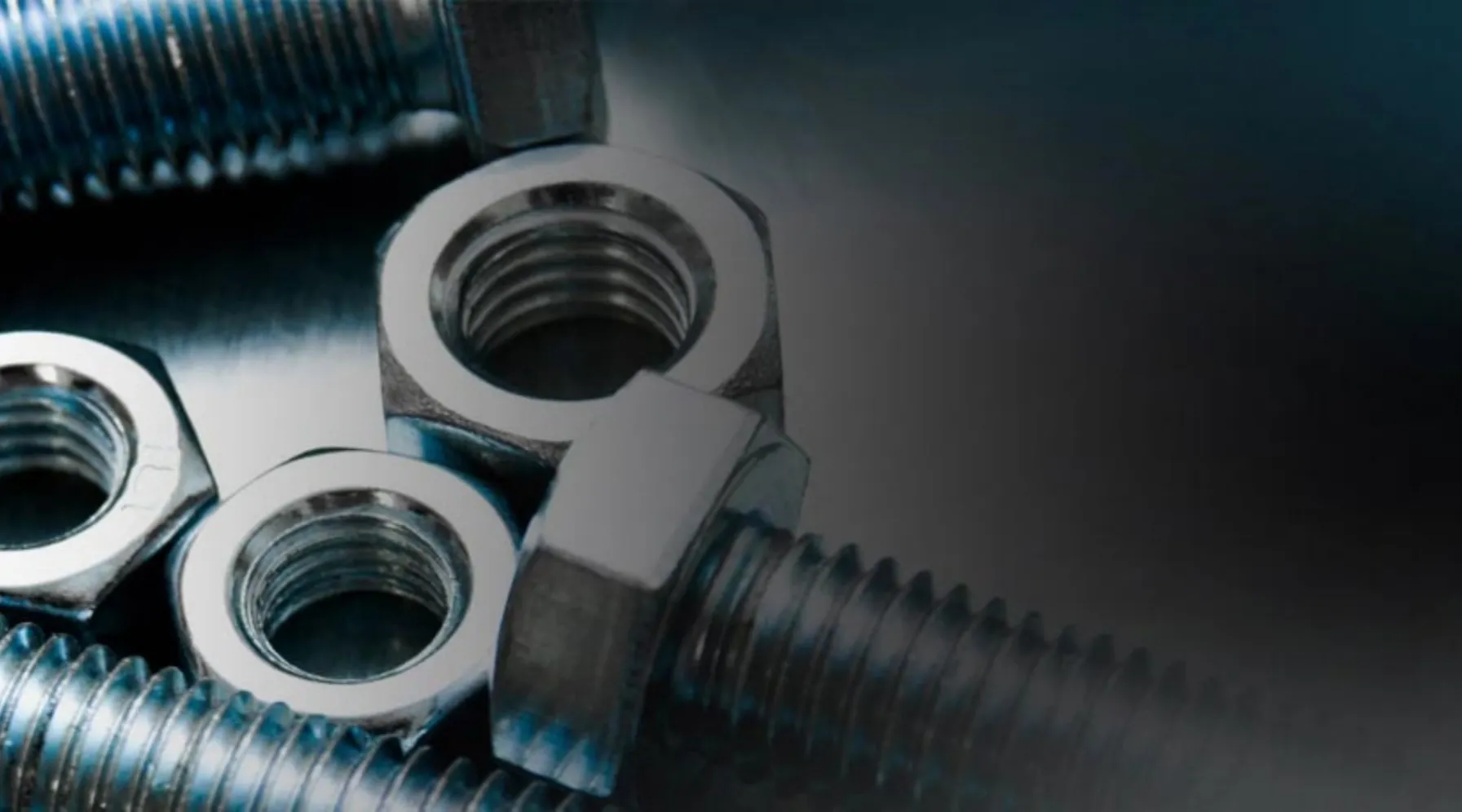
Fasteners are small components, but they play a critical role in the performance, safety, and reliability of industrial products and construction projects.
From automotive equipment and machinery manufacturing to construction, energy systems, and infrastructure projects, the quality of fasteners directly affects assembly accuracy, structural safety, and long-term durability.
For distributors, manufacturers, and contractors, choosing the right fastener supplier is not only about getting the lowest price. A reliable supplier should provide consistent quality, stable delivery, technical support, and flexible solutions to meet different application requirements.
With many fastener manufacturers and trading suppliers available worldwide, understanding how to evaluate a supplier has become an important part of successful sourcing.
Common Challenges When Sourcing Fasteners
1. Inconsistent Product Quality
One of the biggest challenges when purchasing fasteners is unstable product quality between different batches.
Common quality issues include:
- Different dimensions and tolerances
- Inconsistent thread accuracy
- Uneven surface finishes
- Different mechanical performance
- Material differences
For industrial buyers, these problems can lead to assembly difficulties, production delays, and even safety risks.
A professional fastener supplier should have a strict quality control system covering the entire production process, including:
- Raw material inspection
- Production process monitoring
- Dimensional inspection
- Surface treatment inspection
- Final product inspection before shipment
Reliable quality consistency is especially important for customers who purchase large quantities or require long-term supply.
2. Limited Product Range
Many buyers need multiple types of fasteners for different projects. Working with several suppliers can increase purchasing complexity, communication costs, and quality management difficulties.
A supplier with a wider product range can provide a more efficient sourcing solution.
Common industrial fastener products include:
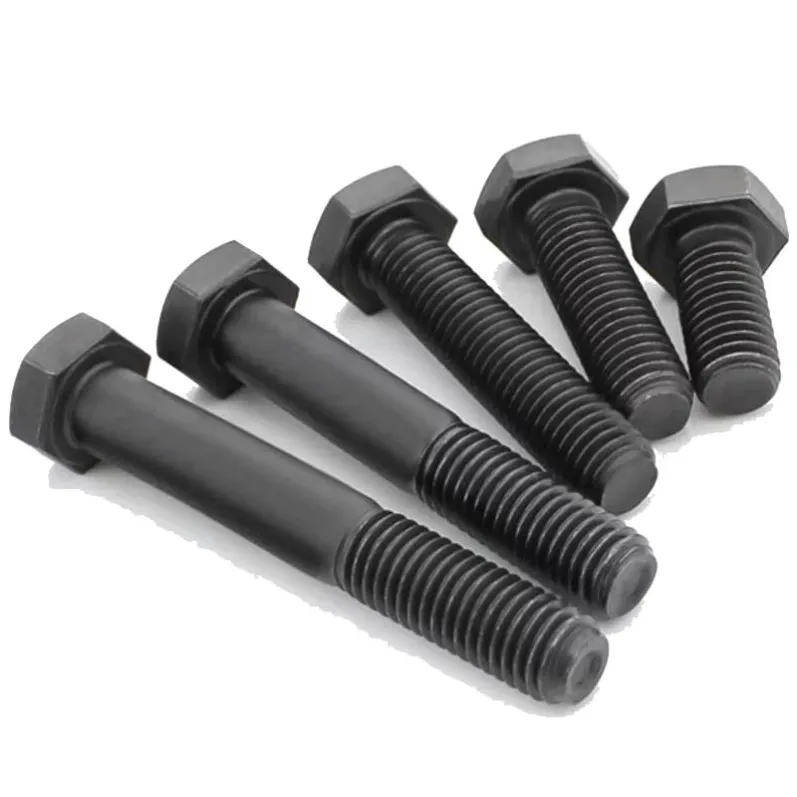
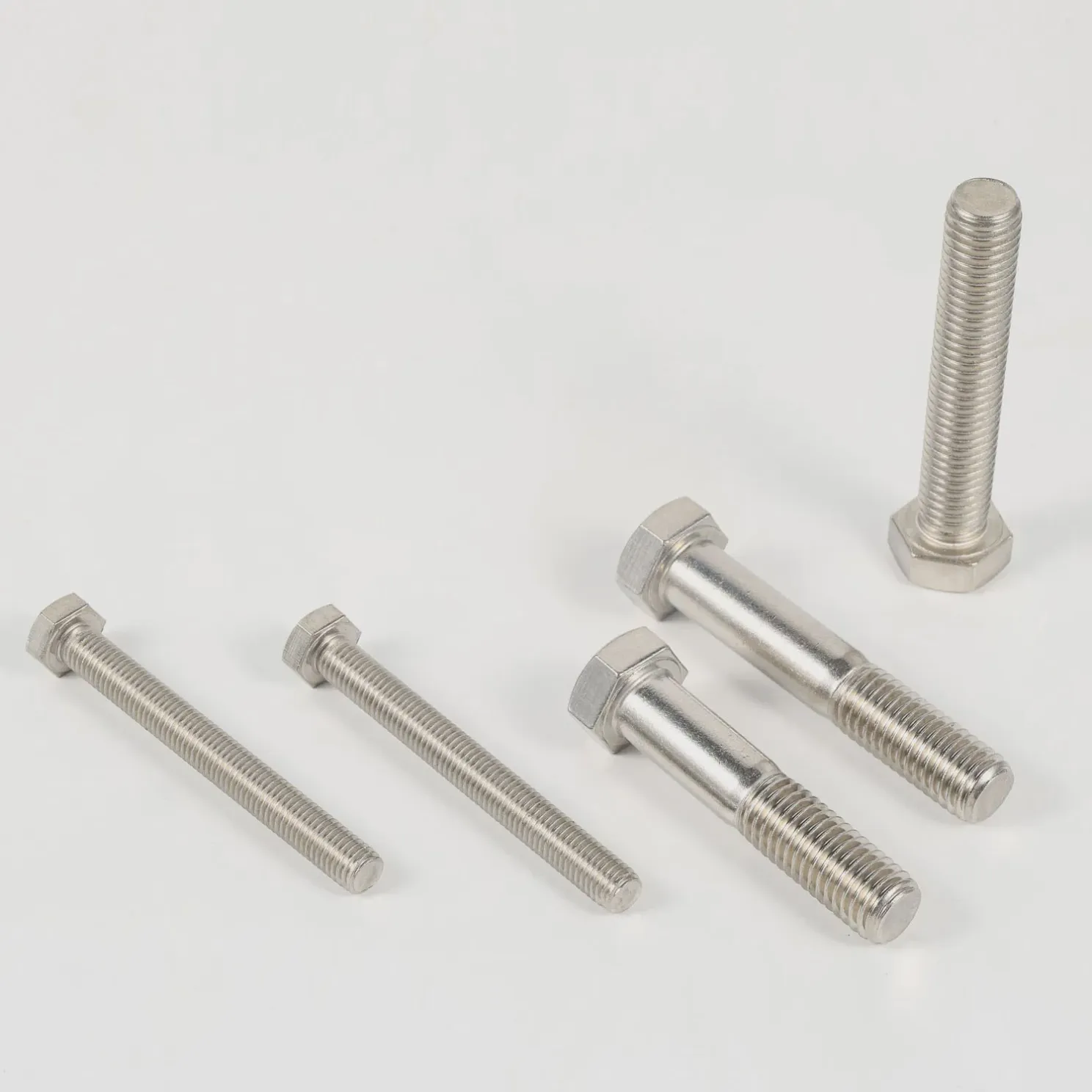
Bolts
Bolts are widely used for mechanical connections, structural applications, and industrial equipment assembly.
Common types include:
- Hex bolts
- Flange bolts
- Carriage bolts
- Anchor bolts
- Customized bolts
Nuts
Nuts are used together with bolts and threaded components to provide secure fastening solutions.
Common types include:
- Hex nuts
- Lock nuts
- Flange nuts
- Customized nuts
Washers
Washers help distribute load, prevent loosening, and protect connected surfaces.
Common options include:
- Flat washers
- Spring washers
- Customized washers
Screws
Screws are widely applied in construction, machinery, furniture, and industrial products.
Available options include:
- Self-tapping screws
- Machine screws
- Wood screws
- Customized screws
Anchors
Anchoring systems are commonly used in construction and installation applications.
Products include:
- Expansion anchors
- Sleeve anchors
- Chemical anchors
- Customized anchor solutions
Choosing a supplier with multiple product capabilities can help buyers simplify procurement and improve supply chain efficiency.
3. Unstable Delivery and Supply Capacity
For industrial buyers, delayed delivery can directly affect production schedules, construction progress, and customer commitments.
Common causes of delivery problems include:
- Limited production capacity
- Poor production planning
- Lack of raw material control
- Inefficient export procedures
A reliable fastener supplier should have:
- Stable manufacturing partners
- Clear production schedules
- Good inventory management
- Professional export experience
A supplier's ability to deliver consistently is just as important as product quality.
4. Lack of Customization Capability
Different industries often require fasteners with specific requirements.
Standard products may not always meet application needs.
Industrial buyers may require:
- Special dimensions
- Different materials
- Customized coatings
- Special markings
- OEM packaging
- Customized drawings
A capable supplier should be able to provide engineering communication, production adjustment, and customized manufacturing solutions.
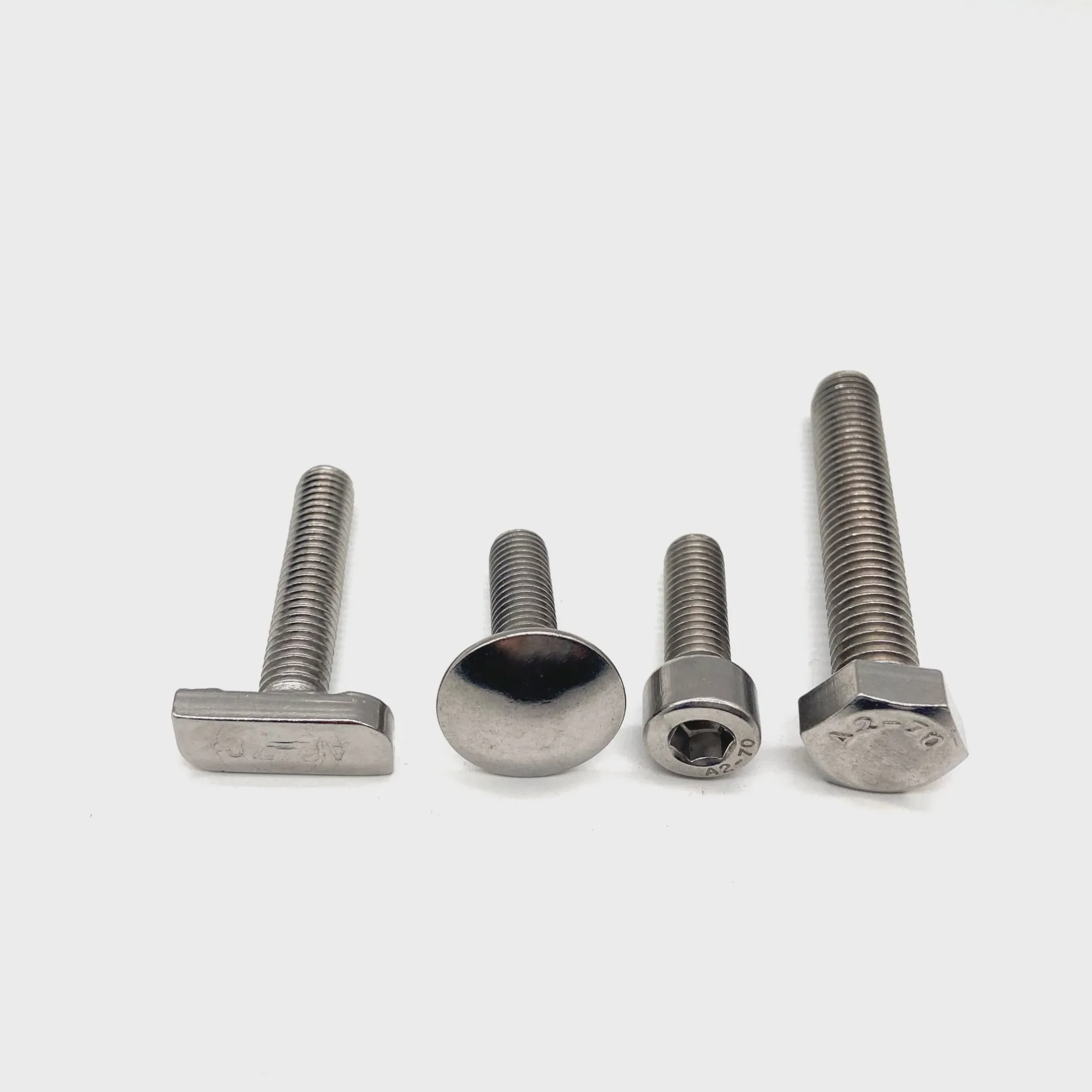
Understanding Different Types of Industrial Fasteners
Fasteners are available in many designs and materials depending on application requirements.
Carbon Steel Fasteners
Carbon steel fasteners offer high strength and cost efficiency. They are widely used in construction, machinery, and general industrial applications.
Common surface treatments include:
- Zinc plating
- Hot-dip galvanizing
- Zinc-nickel coating
- Black oxide treatment
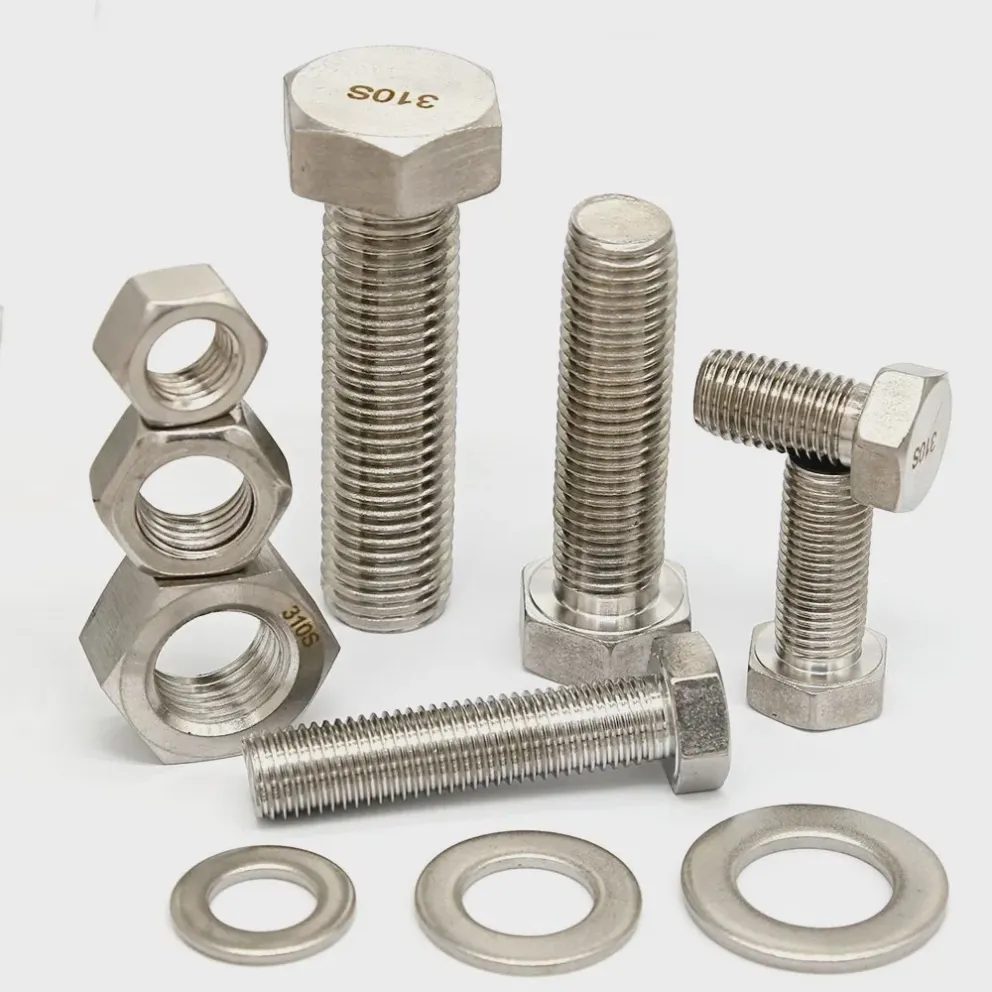
Stainless Steel Fasteners
Stainless steel fasteners provide excellent corrosion resistance and are commonly used in:
- Outdoor structures
- Marine applications
- Food processing equipment
- Architectural projects
Common materials include:
- Stainless steel 304
- Stainless steel 316
Alloy Steel Fasteners
Alloy steel fasteners are designed for high-strength applications requiring excellent mechanical performance.
They are commonly used in:
- Heavy machinery
- Automotive applications
- Industrial equipment
How to Evaluate a Fastener Supplier?
Before selecting a supplier, industrial buyers should evaluate several important factors.
1. Material Control
Material quality determines the strength and durability of fasteners.
A professional supplier should be able to provide:
- Material certificates
- Traceability records
- Compliance with international standards
Common materials include:
- Carbon steel
- Stainless steel
- Alloy steel
2. Manufacturing Capability
Understanding a supplier's production capability helps buyers evaluate whether they can handle different requirements.
Important manufacturing processes include:
Cold Heading
Used for high-volume fastener production with stable dimensions and efficient manufacturing.
Thread Rolling
Creates strong and accurate threads while improving fatigue resistance.
CNC Machining
Suitable for customized fasteners requiring special designs and precision machining.
A supplier with multiple manufacturing capabilities can provide more flexible solutions.
3. Quality Inspection System
Quality inspection is essential for industrial fasteners.
Typical inspection processes include:
- Dimensional inspection
- Thread inspection
- Hardness testing
- Tensile testing
- Surface coating inspection
- Salt spray testing
Before shipment, professional suppliers should ensure that products meet customer specifications and international quality requirements.
4. Export Experience
International buyers should also consider a supplier's export experience.
A reliable export supplier should understand:
- International packaging requirements
- Shipping documents
- Product labeling
- Quality documentation
- Different market standards
Good export experience helps ensure smoother international cooperation.
Why Partner With SENOTECH?
SENOTECH provides industrial fastening solutions for global customers, supporting distributors, manufacturers, and engineering companies with reliable products and flexible supply capabilities.
Our solutions include:
- Standard fasteners such as bolts, nuts, washers, screws, and anchors
- Customized fasteners based on customer drawings and requirements
- Support for different materials and surface treatments
- Quality control assistance throughout production
- Stable supply chain management
By working closely with reliable manufacturing partners, SENOTECH helps customers reduce sourcing complexity and build long-term supply solutions.
Whether you need standard fasteners for regular purchasing or customized components for specific applications, SENOTECH focuses on providing practical solutions with consistent quality and reliable service.
Conclusion
Choosing the right fastener supplier is an important decision for industrial buyers.
The ideal supplier should not only offer competitive pricing but also provide:
- Stable product quality
- Complete product solutions
- Reliable delivery
- Customization capability
- Professional export support
By carefully evaluating supplier capabilities, buyers can reduce purchasing risks and establish long-term cooperation with reliable partners.
A trusted fastener supplier can become an important part of your supply chain success.
Written by SENOTECH Hardware Team