Jul 30, 2026Industry News
How to Prevent Corrosion in Outdoor Glass Hardware
Prevent corrosion in outdoor glass hardware with the right stainless steel grades, surface finishes, and maintenance methods for durable glass railing systems.
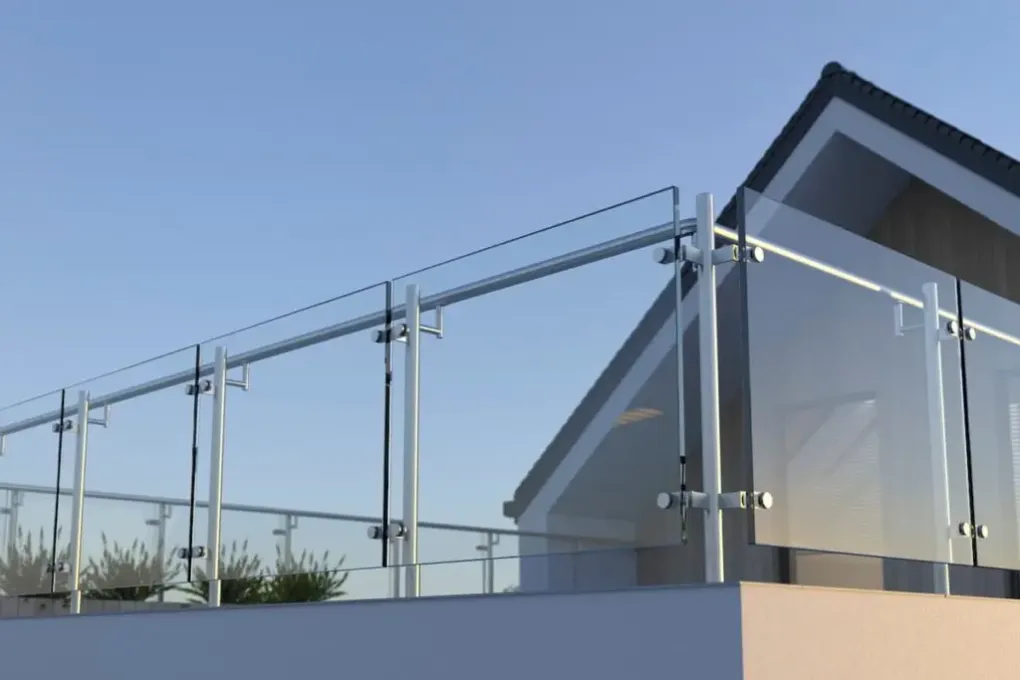
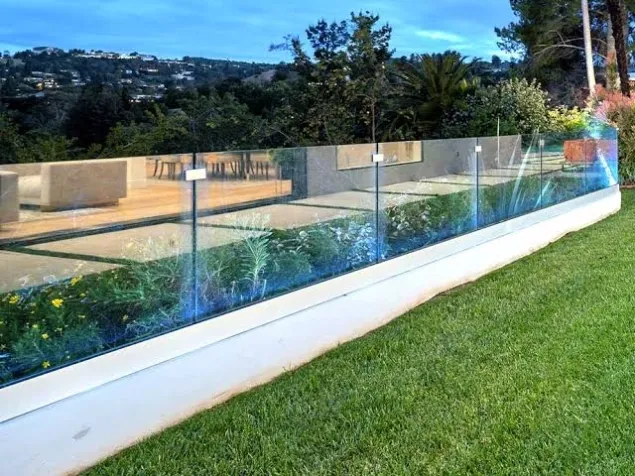
Outdoor glass hardware plays an important role in modern architectural projects, including glass railings, balconies, pool fences, staircases, and commercial buildings. However, because these components are constantly exposed to rain, humidity, UV radiation, salt air, and environmental pollution, corrosion can become a serious problem over time.
Corroded glass clamps, glass spigots, glass brackets, and glass fittings not only affect the appearance of a project but may also reduce the safety and service life of the entire glass system.
Choosing the right materials, surface treatments, installation methods, and maintenance practices is essential for keeping outdoor glass hardware durable and reliable.
In this guide, we will explain the main causes of corrosion and how to prevent corrosion in outdoor glass hardware.
1. Choose the Right Stainless Steel Grade
The material selection is the first and most important factor affecting corrosion resistance.
Outdoor glass hardware is commonly manufactured from stainless steel due to its excellent strength, durability, and corrosion resistance. However, different stainless steel grades provide different levels of protection depending on the application environment.
Stainless Steel 304
304 stainless steel is widely used for general architectural applications.
Advantages:
- Good corrosion resistance
- Excellent appearance
- Cost-effective solution
- Easy processing and fabrication
Typical applications:
- Indoor glass partitions
- Residential glass railings
- Covered outdoor areas
However, 304 stainless steel has limited resistance against chloride exposure and is not recommended for highly corrosive environments such as coastal areas or swimming pool surroundings.
Stainless Steel 316
316 stainless steel is one of the most commonly recommended materials for outdoor glass hardware.
The addition of molybdenum improves resistance against chloride corrosion, making it more suitable for harsh environments.
Advantages:
- Higher corrosion resistance than 304
- Better resistance to salt spray and humidity
- Suitable for coastal and marine environments
- Longer service life in outdoor applications
Typical applications:
- Swimming pool glass fencing
- Seaside balconies
- Outdoor railing systems
- Commercial architectural projects
For most outdoor glass hardware applications, 316 stainless steel provides an excellent balance between performance and cost.
Duplex Stainless Steel
Duplex stainless steel combines the advantages of austenitic and ferritic stainless steels, offering higher strength and superior corrosion resistance compared with conventional stainless steel grades.
Common duplex stainless steel grades include:
- Duplex 2205
- Super Duplex 2507
Advantages:
- Excellent resistance to chloride corrosion
- Higher mechanical strength
- Better resistance to stress corrosion cracking
- Suitable for extreme environments
Typical applications:
- Offshore and marine projects
- Coastal structures with severe salt exposure
- Chemical and industrial environments
- High-load architectural applications
Although duplex stainless steel has a higher material cost, it can provide longer service life and improved reliability in extremely demanding environments.
For specialized outdoor glass hardware projects exposed to aggressive conditions, duplex stainless steel can be an ideal solution.
2. Select Proper Surface Finishing
Surface treatment also plays an important role in preventing corrosion.
A high-quality finish creates a protective surface layer that reduces direct contact between stainless steel and external contaminants.
Common finishes for outdoor glass hardware include:
Brushed Finish
A brushed finish provides a modern appearance while reducing visible scratches and fingerprints.
Common applications:
- Glass clamps
- Stainless steel spigots
- Railing fittings
- Handrail accessories
Polished Finish
Polished stainless steel provides a bright and premium appearance.
Advantages:
- Elegant appearance
- Easy cleaning
- Suitable for luxury architectural projects
However, polished surfaces require proper maintenance to maintain their appearance over time.
PVD Coating
PVD (Physical Vapor Deposition) coating adds a decorative and protective layer to stainless steel hardware.
Benefits:
- Improved surface durability
- Better wear resistance
- Multiple color options
- Enhanced appearance
Common colors include:
- Gold
- Black
- Rose gold
- Champagne
PVD coated glass hardware is widely used in high-end residential and commercial projects.
3. Consider the Installation Environment
The same glass hardware may perform differently depending on where it is installed.
Before selecting products, consider the environmental conditions.
Coastal Areas
Salt water and sea air contain chlorides that can accelerate stainless steel corrosion.
Recommended solutions:
- Use 316 stainless steel or duplex stainless steel for severe environments
- Choose high-quality surface finishing
- Perform regular cleaning and inspection
Swimming Pool Areas
Chlorine, cleaning chemicals, and constant humidity may affect stainless steel surfaces.
Recommended solutions:
- Select corrosion-resistant materials
- Avoid unsuitable cleaning chemicals
- Maintain proper ventilation
Industrial Areas
Factories and urban environments may contain pollutants and chemicals that affect metal surfaces.
Recommended solutions:
- Choose appropriate stainless steel grades
- Use protective coatings
- Carry out regular maintenance checks
Understanding the installation environment helps prevent premature corrosion problems.
4. Avoid Contact Between Different Metals
Galvanic corrosion can occur when two different metals are connected in the presence of moisture.
For example:
- Stainless steel installed directly with aluminum components
- Stainless steel hardware combined with carbon steel fasteners
This difference in electrical potential can accelerate corrosion.
To reduce galvanic corrosion:
- Use compatible materials
- Apply isolation washers or protective layers
- Avoid direct contact between different metals
A complete glass hardware system should consider not only individual components but also how different materials interact with each other.
5. Use High-Quality Manufacturing Processes
Material quality alone is not enough. Manufacturing processes also influence corrosion resistance.
Important quality factors include:
Proper Welding Process
Poor welding can damage the protective chromium oxide layer of stainless steel and create weak corrosion points.
High-quality welding processes help maintain the corrosion resistance of stainless steel components.
Surface Treatment Control
Incorrect polishing or finishing may leave scratches, contamination, or weak areas on the surface.
Professional manufacturers should control:
- Surface smoothness
- Polishing quality
- Cleaning procedures
- Final inspection
Passivation Treatment
Passivation improves the natural protective oxide layer of stainless steel and enhances corrosion resistance.
This process is especially important for stainless steel components used in demanding outdoor environments.
6. Regular Cleaning and Maintenance
Even corrosion-resistant stainless steel requires proper maintenance.
Outdoor glass hardware should be cleaned regularly to remove:
- Salt deposits
- Dust
- Industrial pollutants
- Chemical residues
Recommended maintenance frequency:
Normal environment:
Clean every 3–6 months.
Coastal or swimming pool environment:
Clean every 1–3 months depending on exposure conditions.
Maintenance tips:
- Use clean water and mild detergent
- Avoid chlorine-based cleaners
- Do not use abrasive tools
- Dry the surface after cleaning
Regular maintenance can significantly extend the service life and appearance of glass hardware.
7. Choose a Reliable Glass Hardware Supplier
Corrosion problems often start before installation. Choosing a reliable supplier helps ensure:
- Correct stainless steel grade
- Stable product quality
- Proper surface finishing
- Accurate manufacturing processes
- Consistent performance between batches
A professional glass hardware supplier should be able to provide:
- Material certificates
- Quality inspection reports
- Product specifications
- Customized solutions for different environments
For architects, contractors, and distributors, working with an experienced hardware partner reduces project risks and long-term maintenance costs.
Conclusion
Preventing corrosion in outdoor glass hardware requires a combination of proper material selection, suitable surface treatment, correct installation methods, and regular maintenance.
For standard outdoor applications, 304 stainless steel may be sufficient. For coastal areas, swimming pools, and most demanding architectural projects, 316 stainless steel provides reliable long-term protection.
In extremely corrosive environments such as offshore, marine, or industrial applications, duplex stainless steel, including Duplex 2205 and Super Duplex 2507, offers enhanced strength and superior corrosion resistance.
By selecting corrosion-resistant glass hardware and working with a reliable supplier, you can ensure safer, more durable, and visually attractive architectural projects.
Why Choose SENOTECH for Outdoor Glass Hardware Solutions?
At SENOTECH, we provide reliable architectural hardware solutions including glass clamps, spigots, railing fittings, and customized stainless steel components.
With strict quality control and experience in international markets, SENOTECH helps customers select suitable materials and finishes for different project environments.
From residential glass railings to commercial architectural projects, we focus on delivering durable hardware solutions built for long-term performance.