Aug 6, 2026Industry News
A Complete Guide to Glass Spigots for Frameless Glass Fencing
Learn how to choose the right glass spigot by type, material, glass thickness, installation method, and environment for a safe glass fence.
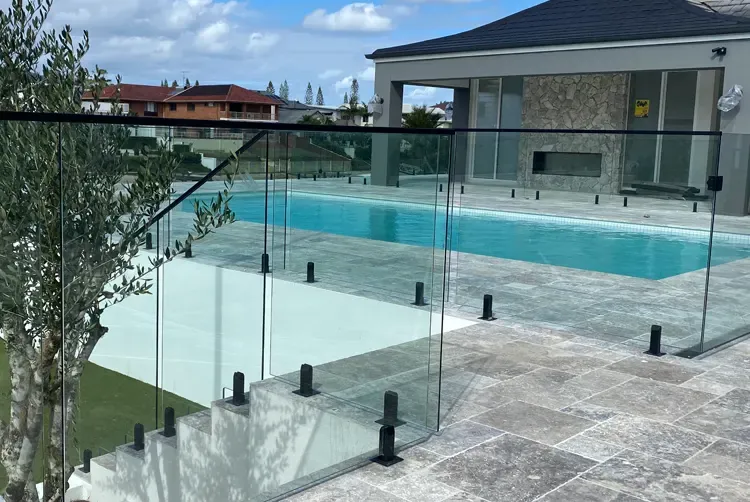
Frameless glass fencing is widely used around swimming pools, balconies, terraces, gardens, hotels, and commercial buildings. Its clean appearance provides safety without blocking the surrounding view.
Although the glass panels are the most visible part of the system, the glass spigots installed underneath them play an equally important role. They support the glass, transfer loads to the mounting surface, and help keep the entire fencing system stable.
Choosing a glass spigot based only on appearance can lead to installation problems, corrosion, glass movement, or an unsuitable connection with the supporting structure. Buyers should consider the spigot type, installation method, material, glass thickness, project environment, and local building requirements before placing an order.
This guide explains how to choose the right glass spigot for a safe, durable, and visually appealing frameless glass fence.
What Is a Glass Spigot?
Most glass fence spigots use internal plates, rubber inserts, gaskets, or pressure screws to hold the glass securely. Depending on the design, the glass can often be installed without drilling fixing holes through the panel.
The spigots are then connected to a concrete slab, timber deck, steel structure, or another approved mounting surface.
A typical frameless glass fencing system may include:
- Glass spigots
- Tempered or laminated safety glass
- Glass clamps
- Handrails or top rails
- Glass hinges
- Glass latches
- Mounting anchors
- Rubber gaskets and adjustment components
The exact system configuration depends on whether the project is a swimming pool fence, balcony balustrade, terrace barrier, or decorative partition.
A suitable glass spigot should not only match the glass thickness but also provide reliable support under the expected wind, impact, and service loads.
Common Types of Glass Spigots
Glass spigots can be classified by their shape and installation method.
Square and round describe the external design of the spigot, while base plate and core drill describe how the spigot is fixed to the supporting structure. A square or round spigot may therefore be available in either a base plate or core drill version.
Square Glass Spigot
Square glass spigots have a modern, angular appearance. They are frequently used in contemporary residential and commercial projects.
Their straight edges coordinate well with:
- Square handrails
- Rectangular posts
- Modern architectural lines
- Minimalist glass balustrade systems
Square spigots are commonly selected for swimming pool fencing, balcony barriers, hotels, villas, and commercial entrances.
The decision between square and round should not be based on appearance alone. Buyers should also compare the spigot body dimensions, internal clamping system, mounting method, load performance, and compatibility with the selected glass.
Round Glass Spigot
Round glass spigots provide a softer and more traditional appearance. Their curved surface can match round handrails, tubular fittings, and other stainless steel components.
They are suitable for:
- Residential pool fences
- Garden glass barriers
- Coastal properties
- Curved architectural designs
- Projects using round stainless steel fittings
Round glass spigots can also be easier to integrate into projects where the surrounding architectural hardware has a tubular design.
Square vs Round Glass Spigot
The shape of the spigot does not automatically determine its strength.
A high-quality round spigot may perform better than a poorly designed square spigot, and the reverse is also possible. Strength depends on factors such as the material grade, wall thickness, internal clamping structure, base dimensions, fixing method, and installation quality.
For most projects, the choice between square and round is mainly an architectural decision. Buyers should confirm the technical specifications separately.
Base Plate Glass Spigot
A base plate spigot is installed on top of the mounting surface and secured with mechanical or chemical anchors.
It is commonly used on:
- Concrete slabs
- Finished terraces
- Timber decks with suitable structural reinforcement
- Steel support structures
- Renovation projects
The main advantages of a base plate spigot include convenient installation, easier positioning, and relatively simple replacement.
However, the mounting surface must be strong enough to support the loads transferred through the base plate and anchors. Decorative tiles, thin decking boards, or weak concrete should not be treated as the primary structural support.
The installer should confirm the substrate condition, anchor type, fixing depth, edge distance, and required waterproofing before installation.
Core Drill Glass Spigot
A core drill spigot is inserted into a prepared hole in the concrete and secured with an approved grout or fixing compound.
This installation method creates a clean and minimalist appearance because there is no visible mounting plate above the surface.
Core drill spigots are often chosen for:
- New construction projects
- High-end residential properties
- Commercial landscapes
- Pool surrounds
- Projects requiring a discreet fixing system
Core drill installation requires accurate hole positioning, correct drilling depth, suitable grout, and careful alignment. Drainage and waterproofing around the installation area must also be considered, particularly for outdoor and swimming pool projects.
Which Glass Spigot Material Should You Choose?
Material selection is one of the most important decisions when choosing frameless glass fence hardware.
The most common options are stainless steel 304, stainless steel 316, and duplex stainless steel 2205.
Stainless Steel 304 Glass Spigot
Stainless steel 304 provides good general corrosion resistance and is widely used for indoor and mild outdoor applications.
It can be suitable for:
- Indoor glass barriers
- Interior staircases
- Dry commercial environments
- Residential projects away from the coast
- Areas with limited exposure to salt and chlorides
SS304 is usually more economical than SS316 and duplex 2205. However, it is not normally the preferred choice for marine, coastal, or high-chloride environments.
Using SS304 around swimming pools or near the sea may increase the risk of surface staining and corrosion, especially when maintenance is limited.
Stainless Steel 316 Glass Spigot
Stainless steel 316 contains molybdenum, which improves resistance to chloride-related corrosion compared with SS304.
It is commonly selected for:
- Outdoor glass fencing
- Swimming pool fences
- Coastal residential projects
- Balconies and terraces
- Humid environments
- Commercial landscaping projects
SS316 is a widely accepted choice for outdoor architectural hardware. However, stainless steel is not completely maintenance-free. Regular cleaning is still necessary in environments exposed to salt, pool chemicals, industrial pollution, or airborne contaminants.
Duplex 2205 Glass Spigot
Duplex stainless steel 2205 combines good mechanical strength with higher resistance to pitting and stress corrosion cracking than many conventional stainless steel grades.
It is especially suitable for demanding environments such as:
- Coastal properties
- Marine environments
- Luxury beachfront residences
- High-chloride swimming pool areas
- Commercial projects requiring long service life
- Locations with limited maintenance access
Because duplex 2205 offers higher strength, it can also provide additional design advantages when the spigot has been properly engineered.
The material cost is normally higher than SS304 or SS316, but the improved corrosion resistance may reduce long-term replacement and maintenance costs in aggressive environments.
Material Comparison
Material | Corrosion Resistance | Recommended Environment | Relative Cost |
|---|---|---|---|
Stainless Steel 304 | Good | Indoor and mild outdoor environments | Lower |
Stainless Steel 316 | Very good | Outdoor, swimming pool and moderately coastal environments | Medium |
Duplex 2205 | Excellent | Coastal, marine and high-chloride environments | Higher |
The final selection should consider not only the stainless steel grade but also the surface finish, product design, installation method, maintenance conditions, and actual exposure level.
Key Factors When Selecting a Glass Spigot
1. Glass Thickness
Every glass spigot is designed for a specific glass thickness or thickness range.
Common glass fencing systems may use glass such as:
- 10 mm tempered glass
- 12 mm tempered glass
- 13.52 mm laminated glass
- Other project-specific safety glass configurations
These dimensions are examples rather than universal requirements. The correct glass specification depends on the fencing height, panel width, wind load, installation location, local standards, and system design.
The internal rubber inserts, adjustment plates, and clamping components must match the glass thickness. Using an unsuitable insert may result in insufficient clamping pressure, glass movement, uneven installation, or excessive pressure on the panel.
Before ordering, provide the glass spigot supplier with the exact glass type and thickness.
2. Installation Method
Choose between a base plate and core drill spigot according to the project stage and supporting structure.
A base plate spigot may be more suitable when:
- The floor has already been completed
- Easy positioning is required
- Future replacement needs to be considered
- Core drilling is not practical
- The substrate can securely hold the anchors
A core drill spigot may be preferred when:
- The project is still under construction
- A minimalist finish is required
- The concrete structure is suitable for drilling
- The installation team has core drilling experience
- Waterproofing and drainage can be properly managed
The installation method should be confirmed early because it can affect the concrete preparation, waterproofing, tile layout, anchor selection, and project schedule.
3. Mounting Surface
The spigot must be connected to a structural surface capable of supporting the required loads.
Possible mounting surfaces include:
- Reinforced concrete
- Structural steel
- Timber with additional reinforcement
- Engineered deck systems
- Approved masonry structures
Tiles, decorative finishes, thin boards, or surface coatings should not be relied upon as the main structural support.
For timber deck installations, additional blocking or a steel support plate may be required beneath the deck. For concrete installations, the contractor should check the concrete thickness, strength, reinforcement position, edge distance, and anchor requirements.
4. Indoor or Outdoor Application
Indoor environments generally have lower corrosion exposure, while outdoor spigots are affected by rain, humidity, dirt, airborne salt, and temperature changes.
For indoor applications, SS304 may be sufficient in many cases.
For outdoor projects, SS316 is normally a more suitable starting point. Duplex 2205 should be considered where the environment is particularly aggressive.
5. Swimming Pool Environment
Swimming pool hardware is exposed to moisture and chlorides from pool water, cleaning products, and surrounding air.
For this reason, material selection and regular maintenance are especially important.
SS316 is commonly used for swimming pool fence hardware. Duplex 2205 may provide a better long-term option for projects located near the sea or exposed to particularly high chloride levels.
Installers should also prevent pool chemicals from accumulating around the spigot base. Proper drainage and routine cleaning help reduce staining and corrosion.
6. Coastal Environment
Salt carried by sea spray and coastal air can accelerate corrosion on architectural hardware.
The corrosion risk depends on:
- Distance from the coastline
- Wind direction
- Salt concentration
- Rain exposure
- Cleaning frequency
- Surface finish
- Local temperature and humidity
For beachfront or highly exposed projects, duplex 2205 is often the preferred material. SS316 may still be suitable for less aggressive coastal environments when supported by an appropriate cleaning program.
Proper material selection and regular cleaning are important to prevent corrosion in outdoor glass hardware, especially in coastal and poolside environments.
7. Local Standards and Project Requirements
Glass fencing and balustrade requirements vary by country and application.
Swimming pool fences, balconies, staircases, and elevated barriers may be subject to different rules relating to:
- Fence height
- Glass type
- Impact resistance
- Opening limitations
- Climbability
- Gate operation
- Wind loads
- Structural performance
Buyers should confirm which local building codes, project specifications, and testing requirements apply before selecting the hardware.
A glass spigot should be evaluated as part of the complete fencing system rather than as an isolated component.
8. Surface Finish
Common stainless steel finishes include:
- Mirror polished
- Satin polished
- Brushed
- Powder coated
- Custom finishes
Mirror-polished finishes are frequently used for swimming pool and coastal applications because the smoother surface can be easier to clean. Satin and brushed finishes provide a modern appearance but require regular cleaning to prevent contaminants from remaining in the surface grain.
Powder-coated spigots are available in black and other architectural colors. Buyers should confirm the coating process, pretreatment, outdoor suitability, and expected service environment.
9. System Compatibility
The glass spigot should be compatible with the other components in the frameless glass fence system.
These may include:
- Glass clamps
- Glass hinges
- Safety latches
- Handrails
- Top rails
- Mounting anchors
- Glass panels
- Rubber gaskets
Using components from different systems without checking compatibility can create alignment, finish, or installation problems.
When possible, source the main components from one experienced supplier or ask the supplier to review the complete product list.
Common Mistakes When Choosing or Installing Glass Spigots
Choosing Based Only on Appearance
Square, round, polished, and black spigots can all provide an attractive finish. However, appearance should come after confirming material, load performance, installation method, and glass compatibility.
Using the Wrong Spigot for the Glass Thickness
A mismatch between the glass and internal clamping components may lead to movement or uneven pressure.
Always confirm the exact glass thickness, glass type, and required inserts before ordering.
Ignoring the Supporting Structure
Even a high-quality glass spigot cannot perform correctly when fixed to a weak or unsuitable substrate.
The installer should assess the concrete, timber, steel, or deck structure before selecting the anchors and installation method.
Choosing the Wrong Stainless Steel Grade
Using SS304 in a high-chloride coastal or swimming pool environment can increase maintenance requirements and corrosion risk.
Material should be selected according to the actual exposure conditions rather than price alone.
Incorrect Spigot Spacing
The number and position of the spigots should be based on the glass dimensions, system design, expected loads, and applicable standards.
Spacing should not be estimated only from a reference photograph or a previous unrelated project.
Mixing Incompatible Metals
Contact between different metals in the presence of moisture may contribute to galvanic corrosion.
Fasteners, anchors, washers, and nearby metal components should be reviewed for material compatibility.
Poor Alignment During Installation
Misaligned spigots can create uneven gaps between glass panels and make the finished fence look unprofessional.
Accurate measurement, levelling, and adjustment should be completed before the glass is fully tightened.
Overtightening the Glass
Excessive tightening may create concentrated pressure on the glass edge.
The installer should follow the recommended tightening method and use the correct gaskets, pressure plates, and adjustment components.
Neglecting Drainage and Maintenance
Water, dirt, salt, and chemicals should not be allowed to accumulate around the spigot base.
Outdoor glass fence hardware should be cleaned regularly using suitable non-abrasive products and fresh water.
Which Glass Spigot Is Suitable for Your Project?
Residential Swimming Pool Fence
A base plate or core drill spigot in SS316 is commonly suitable for a residential pool fence. Duplex 2205 should be considered for coastal properties or environments with greater chloride exposure.
The system should also include compatible glass hinges and a self-closing safety latch where required.
Coastal Glass Balustrade
Duplex 2205 is generally the preferred option for highly exposed coastal projects because of its corrosion resistance and strength.
A smooth polished finish and regular fresh-water cleaning can further support long-term performance.
Indoor Commercial Glass Barrier
SS304 may be suitable for a dry indoor commercial environment, provided that the spigot meets the required structural and glass compatibility requirements.
Renovation Project
Base plate spigots are often convenient for renovation projects because they can be fixed onto an existing approved structural surface without preparing deep core holes.
The existing slab or deck must still be inspected before installation.
New Luxury Residential Project
Core drill spigots provide a clean, discreet appearance and are often chosen for new high-end residential projects.
Installation planning should be coordinated with the concrete, waterproofing, drainage, and floor-finishing work.
Questions to Ask Your Glass Spigot Supplier
Before placing an order, provide the supplier with:
- Glass thickness and glass type
- Glass panel dimensions
- Fence or balustrade height
- Base plate or core drill installation preference
- Mounting surface information
- Indoor, outdoor, poolside, or coastal environment
- Required stainless steel grade
- Surface finish
- Applicable standards
- Required quantity
- Project drawings or installation details
An experienced glass spigot supplier should be able to recommend suitable models, inserts, finishes, mounting accessories, and related glass fencing hardware based on this information.
Frequently Asked Questions
Is a Square or Round Glass Spigot Stronger?
The external shape alone does not determine strength. Performance depends on the material, body design, base dimensions, internal clamping structure, fixing method, and installation quality.
Choose the shape according to the architectural design, then verify the technical performance separately.
What Is the Best Material for a Swimming Pool Glass Spigot?
SS316 is commonly used for swimming pool fences because it offers better chloride resistance than SS304.
For coastal swimming pools or particularly aggressive environments, duplex 2205 may provide better long-term corrosion resistance.
Is a Base Plate or Core Drill Spigot Better?
Neither option is automatically better.
Base plate spigots are generally easier to install and replace, while core drill spigots provide a cleaner appearance. The best choice depends on the supporting structure, project stage, waterproofing requirements, and architectural design.
Can Glass Spigots Be Used with Laminated Glass?
Some glass spigots are designed for laminated safety glass, but the glass thickness and internal inserts must be compatible with the selected model.
The complete system should also comply with the applicable project specifications and local standards.
Do Stainless Steel Glass Spigots Require Maintenance?
Yes. Stainless steel provides excellent corrosion resistance, but it is not completely maintenance-free.
Regular cleaning is particularly important around swimming pools, coastal areas, industrial environments, and locations exposed to salt or chemicals.
Conclusion
Choosing the right glass spigot requires more than selecting a square or round design.
Buyers should evaluate the glass thickness, mounting surface, installation method, stainless steel grade, environmental exposure, surface finish, system compatibility, and local building requirements.
SS304 may be suitable for indoor and mild environments. SS316 is generally preferred for outdoor and swimming pool applications, while duplex 2205 provides additional protection for demanding coastal and high-chloride projects.
For the best result, the glass spigot should be selected as part of a complete frameless glass fencing system that includes compatible glass panels, clamps, hinges, latches, anchors, and installation accessories.
SENOTECH supplies square and round glass spigots in stainless steel 304, stainless steel 316, and duplex 2205. Base plate and core drill options are available for different residential, commercial, swimming pool, and coastal applications.
Our product range also includes Glass Clamps, Glass Hinges, Glass Latches, and complete Glass Balustrade Systems.
Send us your demand for glass thickness, installation drawings, mounting surface, project environment, required finish, and applicable standards. Our team will help you identify a suitable glass spigot solution for your project.